As parents, we all want the best for our children, and their oral health is no exception. At The Dental Office of Dianna Wohlstein, DMD, we understand the importance of building positive dental experiences for your little ones from an early age. Our team of experienced dentists and friendly staff are dedicated to providing gentle and compassionate care to ensure that your child’s visit to the dentist is a stress-free and enjoyable one. From routine checkups to complex procedures, we are here to support your child’s dental health every step of the way.

What is Pediatric Dentistry?
Pediatric dentistry is a specialized field of dentistry that focuses on the oral health care needs of children and adolescents. It involves providing preventative and therapeutic dental care to infants, children, and teenagers, as well as those with special health care needs. Pediatric dentists have completed additional training beyond the four years of dental school, with an emphasis on child psychology, growth, and development.
The goal of pediatric dentistry is to promote healthy oral habits from a young age and prevent dental problems before they occur. This includes regular check-ups, cleanings, and treatments such as fluoride applications, sealants, and cavity fillings. Pediatric dentists also play an important role in educating children and their families about proper oral hygiene and diet.
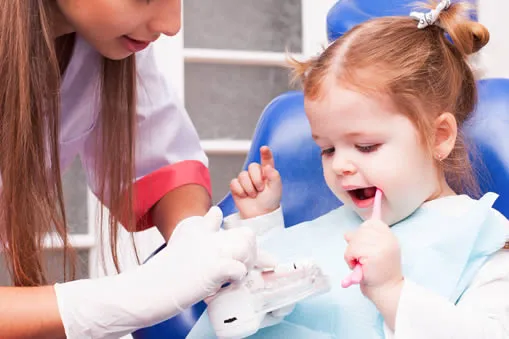
In addition to providing preventative and therapeutic dental care, pediatric dentists also offer specialized services for children with special health care needs. These may include children with physical, emotional, developmental, or cognitive disabilities that require additional support during dental visits.
Pediatric dentistry is an essential field of dentistry that focuses on providing comprehensive dental care to children and adolescents. With a focus on prevention, education, and specialized care for children with special health care needs, pediatric dentists play an important role in promoting healthy oral habits and ensuring that children maintain good oral health throughout their lives.
What to Expect During a Pediatric Exam and Cleaning in Sunrise, FL
Dental Exam
A pediatric dental exam and cleaning are important steps in maintaining good oral health for children. The exam starts with a review of the child’s medical and dental history, as well as any concerns or questions the parent or child may have. The dentist will then examine the teeth, gums, and mouth for any signs of decay, gum disease, or other dental issues.
During the exam, the dentist will also assess the child’s bite and jaw development and may take dental x-rays if necessary. Dental x-rays can help identify dental problems that may not be visible during the exam, such as cavities between teeth, and can aid in planning orthodontic treatment if needed.
Dental Cleaning
After the exam, the dentist will perform a pediatric dental cleaning. This involves removing any plaque or tartar buildup on the teeth. They will use special tools to clean and polish the teeth and may also apply a fluoride treatment to strengthen the teeth and prevent tooth decay.
Oral Hygiene Instructions
During the exam and cleaning, the dentist will also provide education on proper oral hygiene habits, including brushing and flossing techniques, and recommendations for a healthy diet.
Contact our office today to schedule a pediatric dental exam and cleaning at The Dental Office of Dianna Wohlstein, DMD. We look forward to seeing you.
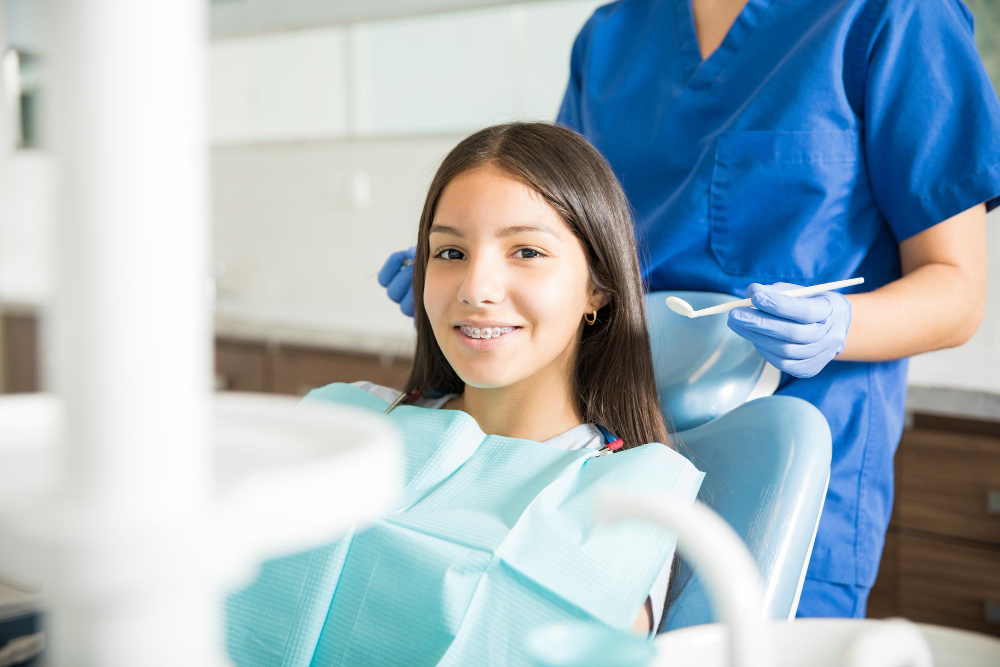
Dental X-rays in Pediatric Dentistry
Pediatric dentistry relies heavily on x-rays to diagnose and treat various dental conditions in children. Due to their rapidly developing teeth and jaws and higher susceptibility to tooth decay, children require x-rays more frequently than adults. These x-rays enable dentists to identify and treat dental issues that may not be visible during a regular oral examination, such as tooth decay between teeth, impacted teeth, or bone diseases. Early detection of dental problems through x-rays allows for less invasive and more affordable treatment options.
Pediatric dentists are committed to using safe and advanced technology to minimize children’s radiation exposure during x-ray examinations. Lead body aprons and shields and modern dental equipment focus the x-ray beam on the required area while filtering out unnecessary x-rays. High-speed film and digital x-rays further minimize radiation exposure. According to the American Academy of Pediatric Dentistry, children with a high risk of tooth decay should undergo x-ray examinations every six months, while children with a low risk of tooth decay may require less frequent x-rays.
Panoramic x-rays are another type of dental x-ray commonly used in pediatric dentistry. These images provide a comprehensive view of the entire mouth, including the upper and lower jaws, teeth, and surrounding structures. Pediatric dentists use panoramic x-rays to assess the development of permanent teeth, detect abnormalities in the jaw, diagnose tumors or cysts, and evaluate the extent of dental trauma. Panoramic x-rays are especially useful for children who have not yet developed all of their permanent teeth, as they provide a comprehensive view of the entire mouth in one image.
Like with other types of dental x-rays, pediatric dentists take great care to ensure that children receive minimal radiation exposure when undergoing a panoramic x-ray. By using safe and advanced technology, pediatric dentists can effectively diagnose dental problems and ensure optimal oral health for children.
The Importance of Treating Cavities in Baby Teeth
Cavities on baby teeth may seem like a minor issue, but if left untreated, they can cause a range of serious complications. These complications can include pain, discomfort, and difficulty eating, sleeping, and concentrating in school. Additionally, untreated tooth decay can lead to infections that can spread to other parts of the body, including the gums, jaw, and bloodstream. In severe cases, these infections can even be life-threatening.
One of the most painful complications of untreated cavities is the formation of abscesses, which are pockets of pus that can develop at the base of the tooth. This requires emergency treatment and can be extremely uncomfortable for a child.
If a baby tooth is lost due to untreated cavities, it can also have serious consequences for a child’s oral health, including difficulty eating and speaking. Additionally, a child who is unable to eat properly due to tooth pain may not be getting the proper nutrition they need for healthy growth and development.
To prevent these complications, it is important to schedule regular dental check-ups for your child and to address any signs of tooth decay as soon as they arise. By maintaining good oral hygiene habits and seeking prompt treatment for dental problems, you can help ensure your child’s oral health and overall well-being.
Types of Pediatric Dental Services
Common pediatric dental services include:
- Dental Sealants: A preventive dental treatment that involves applying a thin, plastic coating to the chewing surfaces of the molars and premolars. This coating forms a protective barrier that helps to keep out cavity-causing bacteria and food particles. Sealants are most commonly applied to the back teeth, which are the most vulnerable to decay, and are recommended for children and teenagers who are at higher risk for developing cavities.
- Fillings: Used to restore teeth that have been damaged by decay or trauma. The decayed or damaged portion of the tooth is removed, and filled with a tooth-colored composite resin. Your pediatric dentist will take special care to ensure that the fillings are comfortable and durable, and that they match the color of the surrounding teeth.
- Pediatric Root Canal: A procedure that is performed when the nerve or pulp of a tooth becomes infected or damaged. This can happen as a result of decay, trauma, or other factors. During a root canal, the infected or damaged portion of the tooth is removed, and the remaining space is filled with a special dental material. Root canals can save a damaged or infected tooth from extraction and can help to preserve a child’s natural smile.
- Space Maintainers: A dental device that is used to hold space for permanent teeth that have not yet erupted. They are typically used after a baby tooth has been lost prematurely due to decay or trauma. The space maintainer prevents the surrounding teeth from shifting into the empty space and causing problems with the child’s bite and dental alignment.
- Tooth Extractions: Sometimes necessary to remove teeth that are damaged, decayed, or causing problems with a child’s bite or dental alignment. Pediatric dentists use gentle techniques and sedation options to ensure that extractions are comfortable and stress-free for children. After an extraction, parents and caregivers are given instructions for caring for the extraction site and helping their child to recover.
Your child’s dental health is important to us. Schedule a consultation.
Pediatric Crown Options
Dental crowns are a common treatment for children with extensive decay, trauma, or other dental issues. There are several types of crowns, each with unique benefits:
- Stainless Steel Crowns: These crowns are the most common type of dental crowns used in pediatric dentistry. They are durable, cost-effective, and can be placed in a single dental visit. Stainless steel crowns are often used for back teeth and can last for several years.
- Strip Crowns: These are prefabricated crowns made from a thin layer of tooth-colored material. They are a good option for children who have mild to moderate tooth decay and need a temporary crown until a permanent restoration can be placed.
- Composite Resin Crowns: This option is made from a tooth-colored resin material and are a good option for children who have small to medium-sized cavities. They are less durable than other types of crowns and may need to be replaced more frequently.
- Porcelain Crowns: These types of crowns are a popular choice for children who have front teeth that are damaged or have undergone significant dental work. They are custom-made to match the child’s natural tooth color and provide a durable and natural-looking restoration.
- Zirconia Crowns: These are a newer type of dental crown made from a strong ceramic material. They are a good option for children who have metal allergies or sensitivities. Zirconia crowns are also a popular choice for front teeth due to their natural-looking appearance.
If your child needs a pediatric dental crown, schedule a consultation today.