Root canal treatment is a dental procedure that is designed to save a damaged or infected tooth. This treatment has a reputation for being one of the most feared and uncomfortable dental procedures. However, with advancements in modern dentistry and anesthesia techniques, root canal treatment has become a safe, effective, and relatively painless option for preserving your natural teeth. At our Sunrise dental practice, our team of skilled professionals is committed to providing our patients with the highest quality of care and personalized treatment plans to address their unique dental needs.
What is Root Canal Therapy?
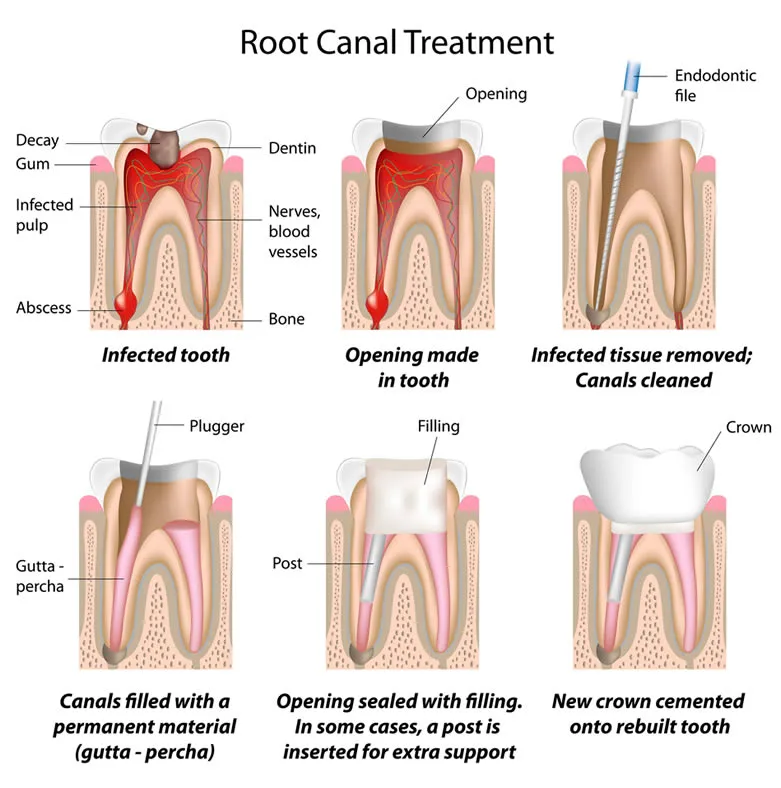
The pulp of a tooth contains nerves, blood vessels, and connective tissue, which help to nourish and maintain the health of the tooth. When the pulp becomes damaged or infected due to decay, injury, or trauma, it can cause significant pain, sensitivity, and swelling. In some cases, the infection can even spread to the surrounding teeth and gums, causing further complications.
Root canal therapy is a dental procedure that aims to remove the infected or damaged pulp from the tooth, clean and disinfect the root canals, and then fill and seal the space with a material called gutta-percha. The procedure is typically performed under local anesthesia, which ensures that the patient is comfortable throughout the treatment.
After the root canal procedure, the tooth may feel sensitive or tender for a few days, but this can usually be managed with over-the-counter pain relievers. In some cases, the dentist may recommend a dental crown or other restorative treatment to help strengthen the tooth and restore its function.
Overall, root canal therapy is an effective and safe treatment option for saving a damaged or infected tooth and preventing the need for extraction. It can help to alleviate pain and discomfort and restore the natural function of the tooth, allowing you to enjoy a healthy and beautiful smile.
What to Expect During Root Canal in Sunrise FL
Expect Anesthesia
Patients often express fear of pain during root canals, expecting to feel every step of the procedure. However, anesthesia will be provided by the dentist. Local anesthetic blocks pain signals between the nerves of the tooth and the brain. Although certain stimuli may still be felt, they should not be painful. In some cases, repeated administrations of local anesthetic may be necessary for teeth that are difficult to numb. It’s important to note that pain during a root canal may occur of the tooth is already infected. The pain may be a result of the infection and the actual root canal procedure.
Expect a Strange Barrier Device called a Rubber Dam
The rubber dam is a crucial part of the root canal procedure. It’s a square piece of rubber or non-latex material that the dentist places over the tooth that’s being treated. This barrier device keeps the working field sterile and dry, preventing any bacteria from contaminating the open tooth. It also protects the surrounding gum tissue, cheeks, lips, and tongue from the materials used in the root canal procedure. By using a rubber dam, the dentist can ensure a successful root canal treatment that lasts.
Expect Lots of X-rays
To ensure tools and materials are positioned correctly during a root canal procedure, the dentist will use multiple x-rays. Digital dental x-rays make this step quick and easy. Although some patients may worry about “lots of x-rays,” taking several x-rays from different angles is a normal and necessary part of the procedure. In fact, you might not even notice the x-rays being taken due to the speed and efficiency of digital technology.
Expect Minor Pressure and Scratching Sensations
Local anesthesia can effectively block pain signals, but it cannot block the feeling of pressure. During root canal treatments, patients can still experience movements, pressure, and scratching sensations. It may be difficult to differentiate between these sensations and what can be seen or heard during the procedure. However, you can always ask for more local anesthesia if you feel any pain, to ensure maximum comfort during the treatment.
Expect Moderate Pain after the Procedure
Root canal patients may experience moderate pain after the procedure due to the body’s natural response to inflammation caused by the trauma of dental treatment. Oral antibiotics may be necessary for those with large infections before the procedure, and post-operative pain is usually manageable with over-the-counter medication. In cases of severe pain we can prescribe pain relievers.
More Questions about Root Canals?
Contact our office today to schedule a consultation. We can answer any question you have about root canals and address any issues unique to your specific situation. We look forward to seeing you.
What are the Symptoms or Signs That a Root Canal is Needed?
There are several symptoms and signs that indicate a root canal may be needed. These include:
- Persistent pain: If you experience persistent pain in your tooth, especially when you apply pressure or chew, it could indicate that you need a root canal.
- Sensitivity to hot and cold: If your tooth is sensitive to hot and cold temperatures even after the source of the temperature is removed, this could be a sign of root canal problems.
- Gum swelling: If the area around the affected tooth is swollen, it could indicate an infection that may require a root canal.
- Discoloration: A tooth that has darkened or changed color may be a sign that the nerve of the tooth is damaged and a root canal may be necessary.
- Pus drainage: If you notice pus around the affected tooth, this could indicate an abscess, which often requires a root canal.
If you experience any of these symptoms or signs, it’s important to schedule a consultation with our Sunrise root canal dentist to determine if a root canal is necessary.

Why is Root Canal Therapy Necessary?
When the nerves inside the tooth pulp die, the tooth dentin and enamel can no longer receive organic nutrients and moisture. The inflamed tissue surrounding the tooth causes toothache and infection can damage the bones around the teeth. If the damaged pulp is not treated, bacterial infection and inflammation can loosen the tooth and it may have to be removed. Therefore, root canal therapy is necessary to preserve the tooth and also protect the jawbone.