A bright, sparkling smile is a confidence booster, but discolored or yellowed teeth can leave you feeling self-conscious. While there are many professional teeth whitening treatments available at your dentist’s office, they can be costly and time-consuming. Fortunately, with the rise of at-home teeth whitening kits, achieving a dazzling smile from the comfort of your own home has never been easier or more affordable. In this article, we’ll take a closer look at the benefits of teeth whitening home kits and what you should consider before trying them out. So, get ready to smile with confidence!
What are Professional Teeth Whitening Home Kits?
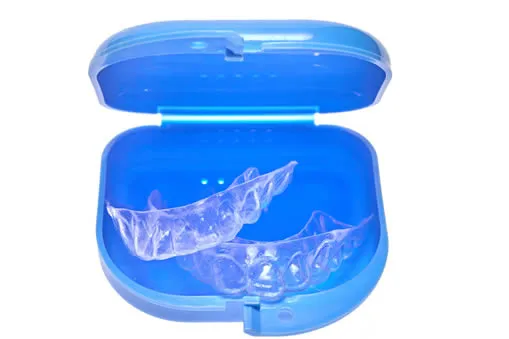
Teeth whitening home kits have become increasingly popular in recent years as more and more people seek to brighten their smiles without the cost and inconvenience of professional dental treatments. These kits typically include a whitening gel or paste and a tray or strip to hold it against your teeth. They can be used at home, at your own convenience, and at a fraction of the cost of professional treatments. However, with so many options on the market, it can be difficult to know which teeth whitening home kit is right for you. In this article, we’ll explore the basics of teeth whitening home kits, including how they work and what to look for when choosing one.
What to Expect From a Professional Teeth Whitening Kit
Expect a Dental Exam
The first step is to conduct a thorough dental exam to assess the health of your teeth and gums. Your dentist will check for any underlying dental issues that may affect the effectiveness of the treatment.
Expect Custom Trays
Your dentist will take impressions of your teeth to create custom trays that fit snugly over your teeth. These trays will hold the whitening solution in place, ensuring even and consistent coverage.
Expect a Whitening Solution
Your dentist will create a customized whitening solution based on the shade of your teeth and the results you desire. The solution is typically a higher concentration of bleaching agents than what is available in over-the-counter products.
Expect Instructions and Support
Your dentist will provide you with detailed instructions on how to use the kit and offer support throughout the treatment process.
What Are the Benefits of a Professional Teeth Wwhitening Home Kit?
While drug store teeth whitening kits may seem like a convenient and affordable option, they simply can’t compare to the benefits of a professional teeth whitening kit from your dentist. Here are some specific reasons why:
- Customization: A professional teeth whitening kit is customized to fit your unique dental structure, ensuring maximum effectiveness and comfort. Drug store kits are one-size-fits-all and may not fit properly, leading to uneven whitening and discomfort.
- More Potent Ingredients: Professional teeth whitening kits use higher concentration ingredients that are designed to remove stubborn stains and provide long-lasting results. Drug store kits often contain a lower concentration of ingredients that may not be as effective.
- Expertise: A professional teeth whitening kit is backed by the expertise of your dentist, who can provide personalized advice and support to help you achieve your desired shade of white. Drug store kits offer no such support.
- Long-lasting Results: Professional teeth whitening kits can provide long-lasting results, while drug store kits often result in the need for more frequent re-applications.
If you would like to brighten your smile with a professional teeth whitening home kit, schedule a visit at The Dental Office of Dianna Wohlstein, DMD today.
Managing Tooth Sensitivity During At-Home Teeth Whitening
At-home teeth bleaching kits are a popular way to achieve a brighter smile, but some people may experience tooth sensitivity during the treatment. Tooth sensitivity can be uncomfortable, but there are several tips to help manage it when using an at-home teeth bleaching kit:
- Use a desensitizing toothpaste: Desensitizing toothpaste can help reduce sensitivity and can be used before and after the treatment.
- Limit treatment time: Follow the recommended treatment time on the packaging, and don’t exceed it. Longer treatment times can increase tooth sensitivity.
- Avoid hot or cold drinks: During treatment, avoid consuming hot or cold drinks, as they can trigger tooth sensitivity.
- Use a lower concentration of bleaching agent: If you have sensitive teeth, consider using a lower concentration of bleaching agent.
- Take breaks between treatments: If you experience sensitivity during treatment, take a break and wait a few days before continuing.
- Talk to your dentist: If tooth sensitivity persists, talk to your dentist. They may be able to provide additional recommendations to manage sensitivity or suggest an alternative treatment.
How Often Can I Reapply Whitening Product to my Teeth?
When it comes to teeth whitening, it’s important to follow the recommended guidelines for application and avoid overusing whitening products. Here’s what you need to know about how often to reapply, the best time to do so, and the potential side effects of over whitening:
How often can I reapply whitening product to my teeth?
Follow the instructions provided by the manufacturer or dental professional for the specific product you are using. Typically, most products can be reapplied every 3 to 6 month to maintain results.
When is the best time to reapply?
It’s best to reapply after a dental cleaning to ensure the whitening solution has the best possible surface area to work with.
What are the side effects of over whitening my teeth?
- Increased sensitivity to hot and cold temperatures
- Gum irritation and inflammation
- Increased risk of tooth decay and damage to enamel
- Uneven results, with some areas appearing more white than others
Who is Not a Candidate for Teeth Whitening?
While teeth whitening is a popular cosmetic dental treatment, not everyone is a suitable candidate for it. There are several factors that can impact a person’s candidacy for teeth whitening, including:
Pregnant or nursing women: The safety of teeth whitening during pregnancy or while breastfeeding is not yet known, so it is generally recommended to avoid the treatment during these times.
Individuals under the age of 18: Children and teenagers are still developing their teeth, so teeth whitening is not recommended for them.
Those undergoing chemotherapy or radiation treatment: These treatments can weaken tooth enamel and make teeth more sensitive, so teeth whitening may not be recommended.
Individuals with damaged teeth: Avoid teeth whitening if you have periodontal disease, cracked enamel, cavities, or cervical abrasion. Teeth whitening can worsen these conditions, causing additional damage to the teeth.