What Are Dentures?
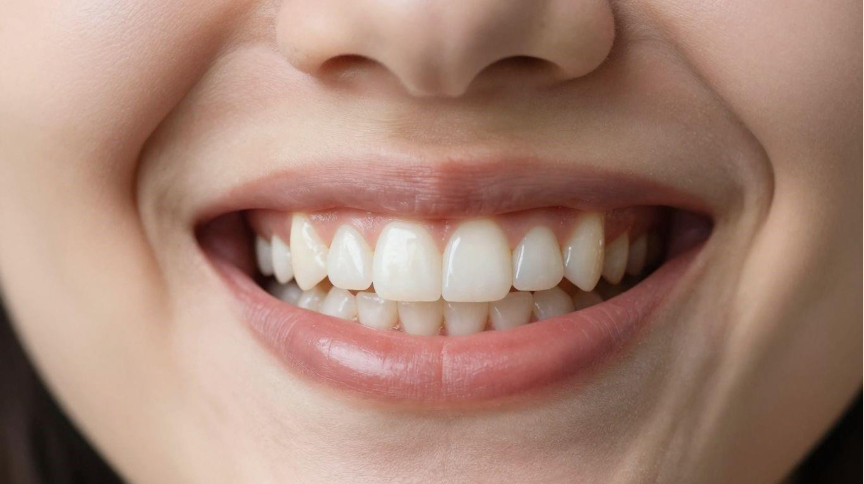
Losing teeth can be a bummer, affecting how you eat, speak, and even how you feel about your smile. Luckily, there are ways to get that function and confidence back. Dentures are one such option, acting as replacements for missing teeth. They come in different forms and can really make a difference in your day-to-day life. Let's break down what are dentures and how they work, and what you can expect if you're considering them.
Key Takeaways
- Dentures are prosthetic devices designed to replace missing teeth and can be either full sets or partial sets, depending on how many teeth need replacing.
- Full dentures replace all teeth in an arch, while partial dentures are used when some natural teeth remain, often using clasps for stability.
- Implant-supported or implant-retained dentures are also available, offering a more secure fit by attaching to dental implants placed in the jawbone.
- The process of getting dentures involves impressions, try-ins, and adjustments, with a period of getting used to them afterward.
- Proper care, including daily cleaning and regular dental check-ups, is important for maintaining both the dentures and oral health.
What Are Dentures?
Dentures are essentially artificial teeth that can be removed and replaced in your mouth. They're designed to help people who have lost some or all of their natural teeth. Think of them as a way to get your smile and your ability to eat and speak back to a more comfortable level.
Dentures are custom-made prosthetic devices that replace missing teeth and their supporting structures. They are crafted from materials that look like natural teeth and gums, helping to restore both appearance and function. When you lose teeth, it doesn't just affect how you chew; it can also change the shape of your face because the muscles in your cheeks and lips lose their support. Dentures help to fill out your face, giving it a more natural look.
There are a couple of main categories to consider when talking about what are dentures and how they work: full dentures and partial dentures.
- Full Dentures: These are used when all of your natural teeth are missing from either the upper or lower jaw, or both. A full denture for the upper jaw covers the roof of your mouth, while the lower one is shaped like a horseshoe to make room for your tongue. They rest on your gums and jawbone for support.
- Partial Dentures: These are an option when you still have some natural teeth remaining. A partial denture fills in the gaps. It often has clasps that attach to your existing teeth, giving it extra stability.
It's important to remember that dentures, whether full or partial, are removable appliances. This means you'll take them out to clean them and give your gums a rest, usually at night. While they can feel different from your natural teeth, modern dentures are made to fit closely and look very natural.
Types of Dentures
When you're looking into replacing missing teeth, you'll find there are a few main kinds of dentures available. The best choice for you really depends on how many teeth you're missing and what feels most comfortable and secure. It's not a one-size-fits-all situation, and your dentist will help figure out what are the best dentures for your specific needs.
There are generally three main categories:
- Full Dentures: These are used when all of your natural teeth in an arch (either upper or lower) are missing. They consist of artificial teeth set in a base that looks like gums. Full dentures can be made in two ways: conventional or immediate. Conventional ones are fitted after your mouth has healed from any extractions, which can take a few months. Immediate dentures, on the other hand, are placed right after teeth are removed, so you don't have to go without teeth during healing. However, they usually need adjustments as your mouth heals.
- Partial Dentures: If you still have some healthy natural teeth, partial dentures can be a great option. They fill in the gaps left by missing teeth. These usually have a framework, sometimes metal, that connects to your remaining teeth, often with small clasps, to keep them stable. They help prevent your other teeth from shifting out of place.
- Implant-Supported Dentures: These are a more advanced option and are sometimes referred to as what are fixed dentures because they are not removable by the patient. They are anchored to dental implants surgically placed in your jawbone. This provides a very secure fit and can help preserve your jawbone. They offer a stable solution, especially for the lower jaw, and many people find they feel more natural and function better for eating and speaking.
Choosing the right type of denture is a big decision. It's important to discuss all the options with your dental professional to understand the pros and cons of each, and what will work best for your lifestyle and oral health. Getting the right fit and type can make a huge difference in how you eat, speak, and feel about your smile.
Who Is a Good Candidate for Dentures?
So, who typically ends up needing dentures? Generally, people who are candidates for dentures have lost most or all of their natural teeth. This tooth loss can happen for a few reasons, like severe tooth decay, gum disease, or even an injury. Sometimes, teeth might be failing and need to be extracted.
Dentures can also be a good option if other solutions, like bridges or implants, aren't the best fit for someone's situation. This could be due to various factors, including overall health, budget considerations, or not having enough bone support in the jaw. A dentist will do a thorough check-up to figure out the best way to restore your smile and make sure you can eat and talk comfortably again.
Essentially, if you're struggling with missing teeth that affect your ability to eat, speak, or feel confident, dentures are definitely something worth discussing with your dentist.
- Extensive Tooth Decay: When many teeth are too damaged to save.
- Advanced Gum Disease: If gum disease has caused significant bone loss and tooth loosening.
- Traumatic Injury: Accidents that result in the loss of multiple teeth.
- Failed Dental Work: When previous treatments like fillings or root canals are no longer effective.
- Unsuitability for Other Restorations: If implants or bridges aren't feasible due to health or financial reasons.
It's important to remember that dentures are custom-made. A dentist will look at your specific needs and mouth health to determine if dentures are the right choice for you and what type would work best.
Benefits of Dentures for Patients
Getting dentures can really make a difference in how you feel and function day-to-day. For starters, they help you eat more comfortably. Chewing becomes much easier, allowing you to enjoy a wider variety of foods again. This also means you can get better nutrition, which is important for overall health.
Speaking is another area that often improves. When you're missing teeth, it can be hard to form certain sounds, leading to mumbling or difficulty being understood. Dentures help fill those gaps, making your speech clearer and boosting your confidence when you talk to people.
Beyond the practical stuff, dentures can also improve your appearance. Missing teeth can cause your face to look a bit sunken, making you appear older. Dentures help support your facial structure, giving your cheeks and lips a fuller look. This can lead to a more youthful appearance and a smile you feel good about showing off.
- Improved Eating Habits: Easier chewing means a better diet.
- Clearer Speech: Articulation becomes more precise.
- Enhanced Appearance: A fuller face and a complete smile.
- Increased Confidence: Feeling better about how you look and speak.
Dentures are designed to restore function and aesthetics, helping patients regain a sense of normalcy in their daily lives. While there's an adjustment period, the long-term benefits for comfort, confidence, and health are significant.
The Denture Process: What to Expect
Getting dentures is a process, and it's good to know what steps are involved so you can feel prepared. It usually starts with a visit to your dentist for an initial exam and some X-rays. This is where they'll check your oral health and discuss the best denture options for you. They'll take impressions or digital scans of your mouth to create a model. This model is super important for making sure your new teeth fit just right.
Next, you'll likely have a try-in appointment. This is your chance to see how the dentures look and feel before they're finalized. The dentist can make small adjustments to the shape, color, or how your bite feels. It's all about getting that comfortable, natural look and feel.
Once your dentures are ready, you'll get them fitted. It's normal for them to feel a bit strange at first. Your mouth and facial muscles will need some time to get used to them. You might notice a temporary increase in saliva or find your speech sounds a little different. Most people adapt within a few weeks.
- Initial Consultation: Discussing your needs and getting an oral exam.
- Impressions/Scans: Creating a precise model of your mouth.
- Try-in Appointment: Previewing and adjusting the fit and appearance.
- Final Fitting: Receiving your custom-made dentures.
- Follow-up Visits: Checking the fit and making any necessary adjustments as you get used to them.
It's important to remember that even with well-made dentures, some minor irritation or soreness can occur initially. Gentle salt-water rinses can help soothe your gums. Don't hesitate to reach out to your dentist if you experience persistent discomfort or notice any looseness; they can make adjustments to improve your comfort and the denture's longevity. A good fit is key to enjoying the benefits of your new smile.
Caring for your dentures is also a big part of the process. Daily cleaning helps keep them fresh and prevents issues. You'll want to rinse them after meals, brush them gently with a soft brush and a non-abrasive cleaner, and soak them overnight in a recommended solution. This routine helps maintain their shape and hygiene. Remember to also clean your gums, tongue, and the roof of your mouth daily.
Conclusion
Dentures can make a big difference for people who have lost teeth, whether it’s just a few or all of them. They help with eating, talking, and even how your face looks. Getting used to dentures takes some patience, and there might be a few bumps along the way, but most people adjust with time. Regular cleaning and checkups are important to keep your mouth healthy and your dentures fitting well. If you ever have questions or something doesn’t feel right, your dentist is there to help. With the right support and care, dentures can help you get back to enjoying daily life and smiling with confidence.
Frequently Asked Questions
What exactly are dentures?
Dentures are special mouthpieces that can be taken out and put back in. They are made to replace teeth that are missing from your upper jaw, lower jaw, or both. Think of them as custom-made replacements that help you eat, speak, and smile more easily.
Are there different kinds of dentures?
Yes, there are a few main types. Full dentures replace all the teeth in one jaw, while partial dentures are used when you still have some natural teeth left. Sometimes, dentures can be attached to implants in your jaw for extra stability, and these are called implant-retained dentures.
How long does it take to get used to wearing dentures?
It takes time! When you first get dentures, they might feel a bit strange. Your mouth and facial muscles need a few weeks to get used to them. It's normal to feel a little awkward at first, but most people adapt well over time.
How should someone care for their dentures?
Taking care of your dentures is important. You should rinse them after eating to get rid of food bits. Brush them gently every day with a soft brush and a special cleaner made for dentures. It's also a good idea to soak them overnight in a cleaning solution to keep them clean and in good shape.
Do people need to see a dentist after getting dentures?
Absolutely. After you get your dentures, you'll likely need a few follow-up appointments. This allows your dentist to check how the dentures are fitting and make any small adjustments needed. Regular dental checkups are also important even when you have dentures.
Can dentures help someone look younger?
Yes, dentures can help support your face and lips, which can prevent sagging that sometimes happens when teeth are missing. This can make your face look fuller and help you appear more youthful. They can also make your smile look great!
Blog Post Author

Contributed by DentalROI
DentalROI provides relevant dental content to help providers educate patients. The statements, services, and products referenced in this article have not been evaluated by the Food and Drug Administration, and they are not intended as a substitute for professional medical advice, diagnosis, or treatment. Always seek the advice of your dental provider with any questions or issues you may have. Specific recommendations may vary in different circumstances, so individual consultation is important.