What Are The 3 Types Of Dental Implants
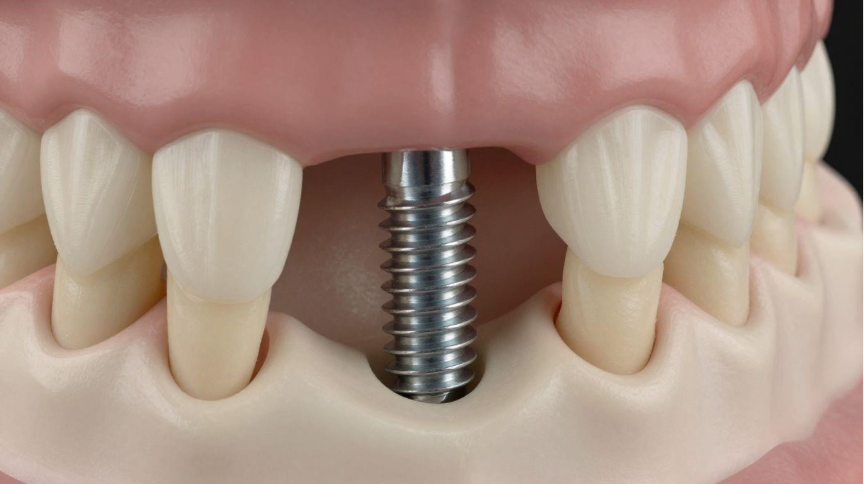
Losing a tooth or several teeth can be a real bummer, affecting how you eat, talk, and even how you feel about your smile. Luckily, dental implants have totally changed the game for replacing missing teeth. They're sturdy, work great, and look super natural. But, did you know there isn't just one kind of implant? Understanding the different types of dental implants explained can really help you figure out what's best for your situation. This article breaks down the three main types of dental implants and their uses, so you can get a clearer picture of your options.
Key Takeaways
- There are three primary types of dental implants: Endosteal, Subperiosteal, and Zygomatic.
- Endosteal implants are the most common, placed directly into the jawbone for a stable foundation.
- Subperiosteal implants are an option for those with limited jawbone, sitting on top of the bone but under the gums.
- Zygomatic implants are a more complex solution for severe bone loss, anchored in the cheekbone.
- Choosing the right type of dental implant depends on individual bone health, the number of missing teeth, and other personal factors.
What Dental Implants Are and How They Work
Dental implants are a modern solution for replacing missing teeth, offering a way to restore both the look and function of your smile. Think of them as artificial tooth roots that are surgically placed into your jawbone. These aren't just cosmetic; they provide a stable base for replacement teeth, like crowns, bridges, or even full sets of dentures.
The primary goal of a dental implant is to mimic the natural tooth root. This is important because when you lose a tooth, you also lose the stimulation that the root provides to the jawbone. Over time, this can lead to bone loss, which affects your facial structure and can make it harder to fit other dental appliances. Implants help prevent this by integrating with the bone, a process called osseointegration.
Here's a quick look at why people choose implants:
- Restored Function: You can eat, speak, and smile with confidence again, just like you would with natural teeth.
- Durability: When cared for properly, dental implants can last for many years, often a lifetime.
- Bone Preservation: They help maintain the health and structure of your jawbone.
- Natural Appearance: Implants are designed to blend in perfectly with your existing teeth.
Understanding the different types of dental implants and their uses is key to finding the right fit for your situation. Each type has its own benefits and is suited for different patient needs, especially when it comes to the amount of available jawbone. We'll explore the main categories and their advantages, looking at the various types of dental implants and their benefits to help you understand your options.
Type 1: Endosteal Dental Implants (Most Common Option)
When you're looking into options for replacing missing teeth, endosteal dental implants are usually the first type that comes up. They're the most frequently used kind, and for good reason. Think of them as artificial tooth roots that are surgically placed directly into your jawbone.
These implants are typically made from titanium, a material that your body accepts really well, meaning it's less likely to cause a reaction. After the implant is placed, your jawbone actually fuses with it over time, creating a super strong and stable base. This process is called osseointegration, and it's what makes these implants feel so much like your natural teeth.
Endosteal implants are the go-to choice for many people because they offer excellent durability and function. They can support a single crown, a bridge for multiple missing teeth, or even a full set of dentures. The key requirement for this type of implant is having enough healthy jawbone to support it. If you've experienced bone loss, your dentist might suggest other options or discuss bone grafting first.
Here's a quick look at why they're so popular:
- Stability: They anchor directly into the bone, providing a secure foundation.
- Longevity: With proper care, they can last for many, many years, often a lifetime.
- Natural Feel: They function and look much like your own teeth, helping you eat, speak, and smile with confidence.
- Bone Preservation: By integrating with the jawbone, they help prevent the bone loss that often happens when teeth are missing.
Most people who are in good general health and have sufficient jawbone density are good candidates for endosteal implants. It's all about making sure you have the right foundation for a lasting solution.
Type 2: Subperiosteal Dental Implants (Alternative for Limited Bone)
Sometimes, the jawbone just isn't quite thick or tall enough to support the most common type of dental implant, which is placed directly into the bone. This is where subperiosteal implants come in as a clever alternative. Instead of going into the bone, these implants are designed to sit right on top of the jawbone, but still under the gum tissue. Think of it like a small metal framework that rests on the bone, with posts sticking up through the gums to hold your new tooth or teeth.
This type of implant is particularly helpful for individuals who have experienced some bone loss or naturally have a less substantial jawbone structure. It offers a way to get a stable, functional replacement tooth without needing to undergo a bone grafting procedure first. Bone grafting involves adding bone material to your jaw to build it up, which is an extra step that requires healing time and can add to the overall treatment process.
Subperiosteal implants can be a good option if:
- Your jawbone doesn't have enough height or width for traditional implants.
- You'd prefer to avoid a bone grafting surgery.
- You need a stable solution for dentures or bridges when bone is limited.
While they might not be as common as endosteal implants, subperiosteal implants provide a valuable solution for many people. They can help restore your ability to eat, speak, and smile with confidence when other options aren't suitable. The process is often a bit quicker than treatments involving bone grafting because the implant is placed directly onto the existing bone structure.
It's important to remember that the success of any dental implant, including subperiosteal ones, relies heavily on good oral hygiene and regular check-ups with your dental professional. This helps keep the surrounding gums and bone healthy, which is key for the long-term stability of the implant.
Type 3: Zygomatic Dental Implants (Advanced Bone-Loss Solution)
When significant bone loss occurs in the upper jaw, traditional dental implants might not be an option. This is where zygomatic implants come into play. Instead of anchoring into the jawbone, these implants are strategically placed into the cheekbone, also known as the zygomatic bone. This bone is generally much denser and stronger, providing a stable foundation even when the jawbone is severely diminished.
Zygomatic implants offer a viable solution for individuals who have been told they aren't candidates for standard implants due to bone loss. They can often eliminate the need for extensive bone grafting procedures, which can be time-consuming and involve a longer recovery. The process involves placing longer implants that extend from the mouth up into the cheekbone. This allows for the secure placement of a full arch of replacement teeth.
Here's a look at why they are considered:
- Addresses Severe Bone Loss: Specifically designed for cases where the upper jawbone is insufficient for other implant types.
- Avoids Complex Grafting: Often bypasses the need for bone augmentation or sinus lifts, simplifying the treatment path.
- Faster Restoration: In many cases, a full set of teeth can be attached relatively quickly after the implants are placed, sometimes even on the same day.
Blog Post Author

Contributed by DentalROI
DentalROI provides relevant dental content to help providers educate patients. The statements, services, and products referenced in this article have not been evaluated by the Food and Drug Administration, and they are not intended as a substitute for professional medical advice, diagnosis, or treatment. Always seek the advice of your dental provider with any questions or issues you may have. Specific recommendations may vary in different circumstances, so individual consultation is important.