What Causes Gum Recession and Can It Be Reversed?
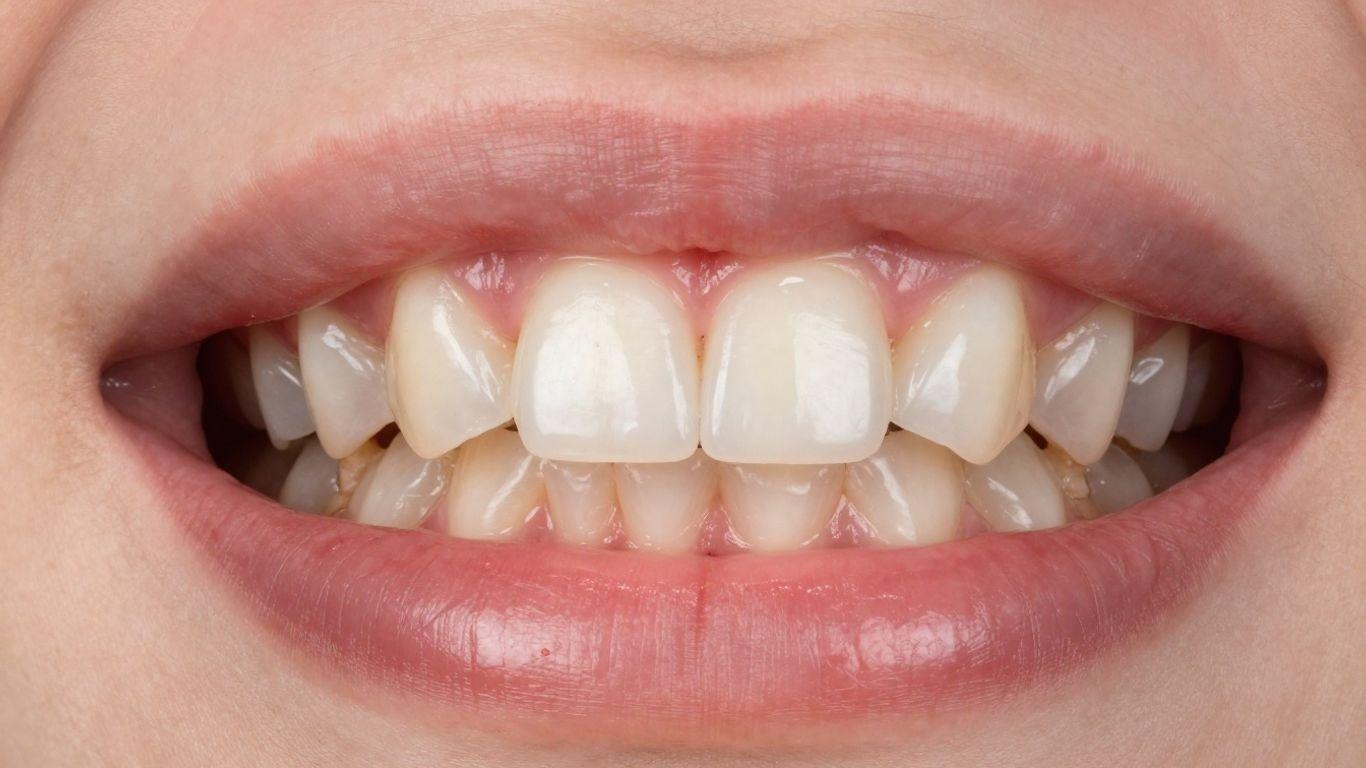
Ever looked in the mirror and noticed your gums seem to be shrinking away from your teeth? It's a common thing, and it's called gum recession. It can make your teeth look longer and sometimes feel super sensitive. So, what's going on, and can we fix it? Let's break down what causes gum recession and whether it's something that can be reversed.
Is gum recession always a sign of gum disease?
It's a really common question: if my gums are receding, does that automatically mean I have gum disease? The short answer is, not always, but it's definitely a major player. Gum disease, like gingivitis or its nastier cousin periodontitis, is a big reason why gums pull back. When plaque builds up, the bacteria in it can irritate and damage your gum tissue. Over time, this can lead to gums pulling away from your teeth, creating little pockets where even more gunk can hide.
However, gum recession isn't only about gum disease. Other things can cause it too:
- Brushing too hard: Seriously, you can scrub your gums right off if you're not careful. Using a toothbrush with hard bristles or just being way too aggressive can wear down that delicate gum tissue.
- Genetics: Yep, sometimes it's just in your DNA. Some people are just more prone to gum recession.
- Tobacco use: Smoking or chewing tobacco is terrible for your gums.
- Hormonal changes: Things like pregnancy or menopause can make gums more sensitive and prone to recession.
- Misaligned teeth or grinding: If your teeth don't line up right, or you grind them (especially at night), that extra pressure can cause gums to recede.
- Oral piercings: Lip or tongue rings can rub against the gums and cause them to pull back.
So, while gum disease is a big one, it's not the only reason your gums might be taking a hike. It's important to figure out the why behind your recession to know how to tackle it.
The tricky part about gum recession is that once the gum tissue is gone, it doesn't really grow back on its own like a cut on your skin might heal. The damage is usually permanent, which is why prevention and early treatment are so important.
Gum Recession Causes and Treatment Options Explained
Gum recession can sneak up on you, and honestly, it’s more common than most folks think. It happens when your gum tissue pulls back, exposing more of your tooth or even its root. Knowing what gets you there and what you can do about it—well, that’s huge if you want to keep your smile healthy and comfortable.
Which habits or conditions cause gums to recede the fastest?
You might be surprised how often everyday routines or even stuff out of your control can cause your gums to shrink back. Here’s what dentists often see speeding things up:
- Brushing too hard or with the wrong toothbrush (gentle is best)
- Gum disease (a biggie—often from plaque buildup)
- Smoking or other tobacco use
- Grinding or clenching your teeth
- Teeth that are out of alignment
- Past orthodontic treatments (like braces)
- Lip or tongue piercings hitting the gums regularly
How these causes compare
- Aggressive brushing – High risk – Preventable with gentle brushing.
- Gum disease – High risk – Preventable with good hygiene and cleanings.
- Smoking – Moderate/High risk – Preventable by quitting tobacco.
- Grinding teeth – Moderate risk – Sometimes preventable with mouthguards.
- Piercings – Moderate risk – Preventable by removing or repositioning them.
- Crooked teeth – Moderate risk – Sometimes improved with orthodontics.
If you’ve noticed sensitive spots near your gum line or your teeth seem longer, any of these could be the culprit.
Treatment Options for Gum Recession
The good news: there are fixes depending on how far along things are. Treatment for gum recession isn’t one-size-fits-all, but these are some popular options:
- Better daily dental care – Gentle brushing with a soft-bristled toothbrush and flossing correctly. Sometimes, just tweaking your routine helps a ton.
- Professional deep cleaning – Dentists might recommend scaling and root planing (a really deep clean under your gums), especially if gum disease is at play.
- Mouthguards for grinders – If you grind or clench, wearing a guard at night can protect your teeth and gums.
- Lifestyle changes – Cutting out tobacco, and maybe even ditching a piercing, can slow or stop more recession.
- Surgery (for severe cases) – A periodontist can do a gum graft, taking tissue from somewhere else (like the roof of your mouth) and stitching it where you’ve lost gum.
- Orthodontics – Sometimes braces or aligners help if misaligned teeth are making things worse.
You don’t have to just live with gum recession. Catching it early and targeting the main cause makes a real difference, and these days, there are more options than ever for fixing or even reversing gum problems.
So, if you’re noticing changes in your gums, don’t wait—get it checked and talk through gum recession causes and treatment options with your dentist. There’s almost always something that can help.
Can Receding Gums Grow Back on Their Own?
So, you've noticed your gums seem to be pulling away from your teeth. It's a common worry, and one of the first questions people ask is: can receding gums grow back naturally? Unfortunately, the straightforward answer is no. Once gum tissue has receded due to things like gum disease, aggressive brushing, or other factors, it doesn't magically regenerate on its own. Think of it like a cut on your skin – it heals, but it doesn't grow back to its original size if a significant amount was lost. The gum tissue that's gone is pretty much gone for good.
What treatments actually restore lost gum tissue?
While your gums might not grow back by themselves, that doesn't mean you're out of options. Dentists have ways to stop the recession from getting worse and, in some cases, even restore some of the lost gum coverage. The approach really depends on why your gums receded in the first place and how severe it is.
Here are some common treatments:
- Scaling and Root Planing: This is often the first step if gum disease is the culprit. It's a deep cleaning process where your dentist or hygienist removes plaque and tartar from above and below the gum line. They then smooth out the tooth roots to help the gums reattach better and make it harder for bacteria to stick around.
- Topical Antibiotics: Sometimes, if gum disease is active, your dentist might place antibiotics directly under the gums to fight off infection.
- Dental Bonding: For minor recession, a tooth-colored material can be applied to cover exposed tooth roots, which can help with sensitivity and improve appearance.
- Gum Grafting: This is a surgical procedure where tissue is taken from another part of your mouth (usually the roof of your mouth) or a donor source and attached to the area where the gums have receded. This is often the most effective way to cover exposed roots and rebuild the gum line.
- Guided Tissue Regeneration: This is another surgical technique that uses a special membrane to encourage your body to regrow bone and gum tissue in the affected area.
It's important to remember that even with these treatments, the primary goal is often to halt further recession and protect your teeth. While some procedures can restore lost tissue, preventing the underlying cause from continuing its damage is key to long-term success.
If you're concerned about receding gums, the best thing to do is schedule an appointment with your dentist. They can figure out what's causing it and recommend the right treatment plan for you. Don't wait too long, as early intervention usually leads to better outcomes.
How to Treat Gum Recession — From Home Care to Surgery
Home Care and Prevention
First off, let's talk about what you can do yourself. It's all about being gentle and consistent. Brushing too hard is a major no-no and can actually make gum recession worse. Think of it like this: you wouldn't scrub a delicate antique with steel wool, right? Your gums deserve the same gentle treatment.
Here’s a quick rundown of what helps:
- Gentle Brushing: Use a soft-bristled toothbrush and a light touch. Angle the brush towards your gum line.
- Flossing Daily: This is non-negotiable. Flossing gets the gunk out from between your teeth and under the gum line where your brush can't reach.
- Antimicrobial Mouthwash: Your dentist might recommend a special mouthwash to help keep bacteria in check.
- Avoid Tobacco: If you smoke or use other tobacco products, quitting is one of the best things you can do for your gums (and your overall health).
Professional Treatments
Sometimes, home care isn't enough, and that's when you'll need to see a dental professional. They have a few tricks up their sleeve.
- Scaling and Root Planing: This is like a super-deep cleaning. Your dentist or hygienist will carefully remove plaque and tartar from above and below your gum line. Then, they'll smooth out the root surfaces of your teeth. This makes it harder for bacteria to stick around and helps your gums reattach more easily.
- Drug Therapy: In some cases, your dentist might prescribe a short course of antibiotics, either pills or a topical treatment applied directly to the gums, to fight off infection and reduce inflammation.
Surgical Options
When things are more serious, or if you want to restore the look and function of your gums, surgery might be the answer. The most common procedure is a gum graft.
- Gum Graft Surgery: This is where a periodontist (a gum specialist) takes a small piece of tissue, usually from the roof of your mouth, and attaches it to the area where your gum has receded. Sometimes, donor tissue is used. It's stitched into place and helps cover exposed tooth roots, reduce sensitivity, and improve the appearance. Recovery usually takes about two weeks, but your dentist will give you specific instructions.
The goal with any treatment is to stop the recession in its tracks and, if possible, help the gum tissue heal. While gums don't typically grow back on their own once they've receded significantly, these treatments can prevent further damage and improve your oral health.
When Does Gum Recession Require a Gum Graft Procedure?
A gum graft is usually considered when the recession is quite noticeable, causing significant tooth sensitivity, or if it's leading to bone loss around the tooth. It's also an option if the recession is affecting the way your teeth look and you're unhappy with the appearance. If your gums have pulled back a lot, or if less invasive treatments haven't worked, a graft might be the best way to protect your teeth and improve your smile.
Gum Recession Stages and Reversal Options — What Is Possible?
So, you've noticed your gums seem to be pulling back. It's a common worry, and understanding what's happening and what can be done is key. When we talk about gum recession stages and reversal options, it's important to know that while gums don't magically grow back on their own once they've receded, there's still a lot you can do. The main goal is to stop the problem from getting worse and, in many cases, to fix the damage.
Think of it like this: early on, if your gums are just starting to recede, maybe because you're brushing a bit too hard or not cleaning well enough, simple changes can make a big difference. This might mean switching to a softer toothbrush, being gentler when you brush and floss, and getting regular dental cleanings. Sometimes, if teeth grinding is the culprit, a custom mouthguard can protect your gums.
For more noticeable recession, or when the cause is something like gum disease, treatments get a bit more involved. Your dentist might do a deep cleaning called scaling and root planing to get rid of all the plaque and tartar that's hiding below the gum line. This helps stop the damage and gives your gums a chance to heal.
But what if a lot of gum tissue is already gone? That's where things like gum grafting come in. This is a surgical procedure where a dentist, usually a gum specialist, takes a small piece of tissue from somewhere else in your mouth (like the roof) or uses donor tissue and attaches it to the area where your gums have pulled back. It helps cover up those sensitive tooth roots and makes your gum line look more even.
What may be possible at different stages
- Mild Recession: Often managed with better home care (gentle brushing, flossing) and professional cleanings. Sometimes, addressing teeth grinding with a nightguard helps.
- Moderate Recession: May require deep cleaning (scaling and root planing) to treat gum disease. Lifestyle changes are also important.
- Severe Recession: Gum grafting surgery is often the best option to restore lost tissue and protect exposed roots.
It's really about catching it early and taking the right steps. Even if your gums can't fully grow back to where they were, stopping further loss and improving the health and appearance of your gum line is definitely achievable with the right care and treatments.
So, don't panic if you notice your gums are receding. Talk to your dentist. They can figure out exactly what's going on and help you choose the best path forward, whether it's tweaking your daily routine or considering a procedure.
Conclusion
So, what's the takeaway here? Gum recession is a bummer, and sadly, your gums don't just magically grow back like a lizard's tail. But don't throw in the towel just yet! The good news is that you can totally stop it from getting worse. By being super gentle with your brushing, keeping up with those dentist visits, and maybe kicking some bad habits, you're already doing a lot. And if things have gotten a bit more serious, there are treatments like deep cleanings or even surgery that can help fix things up. The main thing is to pay attention to your gums and get help early. Your smile will thank you for it.
Frequently Asked Questions
Is gum recession always a sign of gum disease?
Not always! While gum disease is a big reason why gums might pull back, it's not the only cause. Brushing too hard, smoking, or even just genetics can also make your gums recede. So, it's important to figure out what's causing it.
Which habits or conditions cause gums to recede the fastest?
Things like aggressive brushing, especially with a hard toothbrush, can wear down your gums pretty quickly. Also, smoking and having gum disease that isn't treated can speed things up a lot. Even things like piercings in your mouth can irritate the gums and make them pull back.
Can receding gums grow back on their own?
Unfortunately, no. Once your gum tissue has pulled back, it doesn't really grow back by itself. Think of it like skin – once it's damaged, it doesn't just magically reappear. The goal is usually to stop it from getting worse and then see if treatments can help.
What treatments actually restore lost gum tissue?
For more serious cases, a procedure called a gum graft can help. This is where a dentist takes a little bit of tissue from somewhere else in your mouth, or from a donor, and attaches it to the area where your gums have receded. It helps cover up the exposed tooth roots.
When does gum recession require a gum graft procedure?
A gum graft is usually needed when the gum recession is pretty significant. If your teeth are becoming sensitive, look longer than usual, or if there's a risk of losing teeth, a graft might be the best way to protect them and make things look better.
What is possible for gum recession stages and reversal options?
For really mild cases, just improving your brushing and flossing might be enough to stop it from getting worse. If it's more advanced, treatments like deep cleaning or surgery, like a gum graft, can help fix the problem and protect your teeth. It really depends on how bad it is.
Blog Post Author

Contributed by DentalROI
DentalROI provides relevant dental content to help providers educate patients. The statements, services, and products referenced in this article have not been evaluated by the Food and Drug Administration, and they are not intended as a substitute for professional medical advice, diagnosis, or treatment. Always seek the advice of your dental provider with any questions or issues you may have. Specific recommendations may vary in different circumstances, so individual consultation is important.