When Do Kids Lose Their Baby Teeth? (Order and Age Chart)

It is common for parents to wonder about the timeline of their child's developing smile. Watching that first loose tooth is a real milestone, marking the shift from early childhood toward the school-age years. Understanding the sequence and typical age ranges takes a lot of the guesswork out of it. At Sawgrass Dental Center in Sunrise, Florida, Dr. Diana Wohlstein has guided families through this transition for more than 30 years.
What's the Typical Baby Teeth Falling Out Order?
Primary teeth generally fall out in roughly the same order they came in. Because most toddlers get their bottom middle teeth first, those are usually the first to wiggle loose around age six or seven. The sequence is fairly consistent from child to child, which gives parents a predictable pattern to follow as permanent teeth prepare to move in.
| Tooth Type | Typical Loss Age Range |
|---|---|
| Bottom central incisors | 6 to 7 years |
| Top central incisors | 7 to 8 years |
| Lateral incisors | 8 to 10 years |
| Canines and molars | 10 to 12 years |
This ordering keeps space available for adult teeth while the jaw continues to mature. Children adapt to their changing bite gradually, and most finish the transition by around age twelve or thirteen.
Baby Teeth Loss Chart: Age-by-Age Breakdown
Moving from baby teeth to adult teeth is a gradual journey that usually spans six to seven years. These ranges are a helpful baseline, but every child develops on their own schedule. Seeing these changes unfold across several developmental years is completely natural, even when the timing runs slightly ahead of or behind the average.
What to Do About a Loose Baby Tooth
When a tooth starts to loosen, patience and gentle support work best. It is tempting to pull a wobbly tooth, but letting it come out naturally keeps the gums healthy and lets the permanent tooth beneath emerge correctly.
- Encourage your child to wiggle the tooth gently with their tongue.
- Avoid forcing a tooth out before it is ready to fall on its own.
- Remind them to keep brushing the area well, even if it feels sensitive.
- Celebrate the milestone once the tooth comes out so the process feels rewarding.
Letting the body do its work prevents unnecessary pain or bleeding. If your child stays uncomfortable, sticking to soft foods until the tooth sheds usually helps.
What If Your Child's Baby Teeth Are Falling Out Early or Late?
Minor variations in timing are normal and rarely a concern. A child might lose a tooth early after a bump on the playground, or later simply because of genetics. If you notice persistent delays, or if a tooth was knocked out by trauma, keeping an eye on gum health and checking in with your dentist is the sensible response. Early loss from injury sometimes calls for a space maintainer so neighboring teeth do not drift.
How to Help a Nervous Child Through Losing Teeth
Losing a tooth can feel unsettling for kids who are sensitive to change. Keeping the process lighthearted and focusing on the excitement of growing up makes a real difference. Explain that every tooth that falls out makes room for a strong permanent tooth meant to last a lifetime.
Caring for the Gap After a Baby Tooth Falls Out
Once a tooth is out, the space needs basic, consistent care. Some visible gap is normal, and the gums may look slightly different while healing. Brushing twice a day remains the most effective way to support the arrival of the permanent tooth. Keeping up with regular professional cleanings during these years also helps catch decay early, since newly erupted permanent molars are especially cavity-prone.
When to Ask Your Dentist About Timing Concerns
Checking with a professional makes sense whenever something seems clearly out of step with typical development. If your child is noticeably older than peers without losing any teeth, or has consistent localized pain, an exam can clarify things quickly. According to the American Dental Association, primary teeth are typically shed between ages six and twelve, following the same general order in which they erupted. A dentist can confirm that permanent teeth are developing correctly beneath the gums. You can contact our office any time you want reassurance.
Conclusion
Tracking these dental milestones is just one part of parenting, but knowing the basics makes the whole process far less mysterious. The journey from baby teeth to an adult smile takes years, and a simple approach built on good hygiene and patience is the best way to support your child through it. Our full range of dental services covers every stage of that journey.
Frequently Asked Questions
At what age do most children start losing their baby teeth?
Most children begin around age six, usually starting with the lower front incisors.
Is it dangerous if my child pulls out a loose tooth too early?
It is better to let a tooth fall out on its own, since pulling early can cause pain, bleeding, or damage to the developing tooth underneath.
Should I worry if my child's teeth are not falling out by age eight?
Six or seven is typical, but some children start later. If you are unsure, a quick exam can provide reassurance.
Will the permanent tooth come in immediately after the baby tooth falls out?
Not always. There may be a few weeks or months of visible gum space before the permanent tooth erupts.
Should I use a specific toothpaste when my child begins losing teeth?
A standard fluoride toothpaste recommended by your dentist is generally sufficient for both remaining baby teeth and new permanent teeth.
About the Author
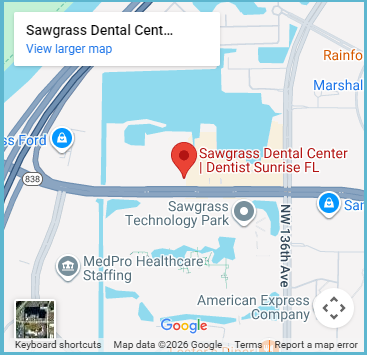
Sawgrass Dental Center is a general and cosmetic dental practice located at 14201 W. Sunrise Blvd, Suite 204, in Sunrise, Florida. The practice is led by Dr. Diana Wohlstein, DMD, who has over 30 years of dental experience and also practices at a second South Florida location in Aventura. Her team of hygienists and patient coordinators provides preventive, restorative, and cosmetic care for families throughout the Sunrise community.
Medical Disclaimer
The information provided in this article is for educational purposes only and does not constitute professional medical or dental advice, diagnosis, or treatment. Eruption and shedding timelines vary widely between children. Always seek the advice of your dentist, pediatric dentist, or other qualified health provider with any questions regarding your child's dental development. Never disregard professional advice or delay in seeking it because of something you have read here.
Blog Post Author

Contributed by DentalROI
DentalROI provides relevant dental content to help providers educate patients. The statements, services, and products referenced in this article have not been evaluated by the Food and Drug Administration, and they are not intended as a substitute for professional medical advice, diagnosis, or treatment. Always seek the advice of your dental provider with any questions or issues you may have. Specific recommendations may vary in different circumstances, so individual consultation is important.