Do Baby Teeth Cavities Really Need to Be Filled?
It's a question almost every parent asks at some point: if baby teeth are going to fall out anyway, does a cavity in one actually need to be treated? It's a fair question, but the answer is yes — and understanding why can make it easier to follow through on treatment your child's dentist recommends.
Why Baby Teeth Matter More Than They Seem
Primary teeth are sometimes dismissed as temporary placeholders, but they do real work for several years. They allow toddlers and young children to chew properly and get the nutrition they need, they support clear speech development, and they hold space in the jaw for permanent teeth that won't erupt until years later. Dentists sometimes call baby teeth "nature's braces" because they help guide adult teeth into the correct position as they come in.
When a baby tooth is lost too early — whether from decay or injury — the teeth on either side can drift into the empty space. That shift can cause crowding or misalignment problems for the permanent tooth that was supposed to erupt there, sometimes leading to a need for orthodontic treatment down the road that could have been avoided.
Cavities in Baby Teeth Do They Need Filling?
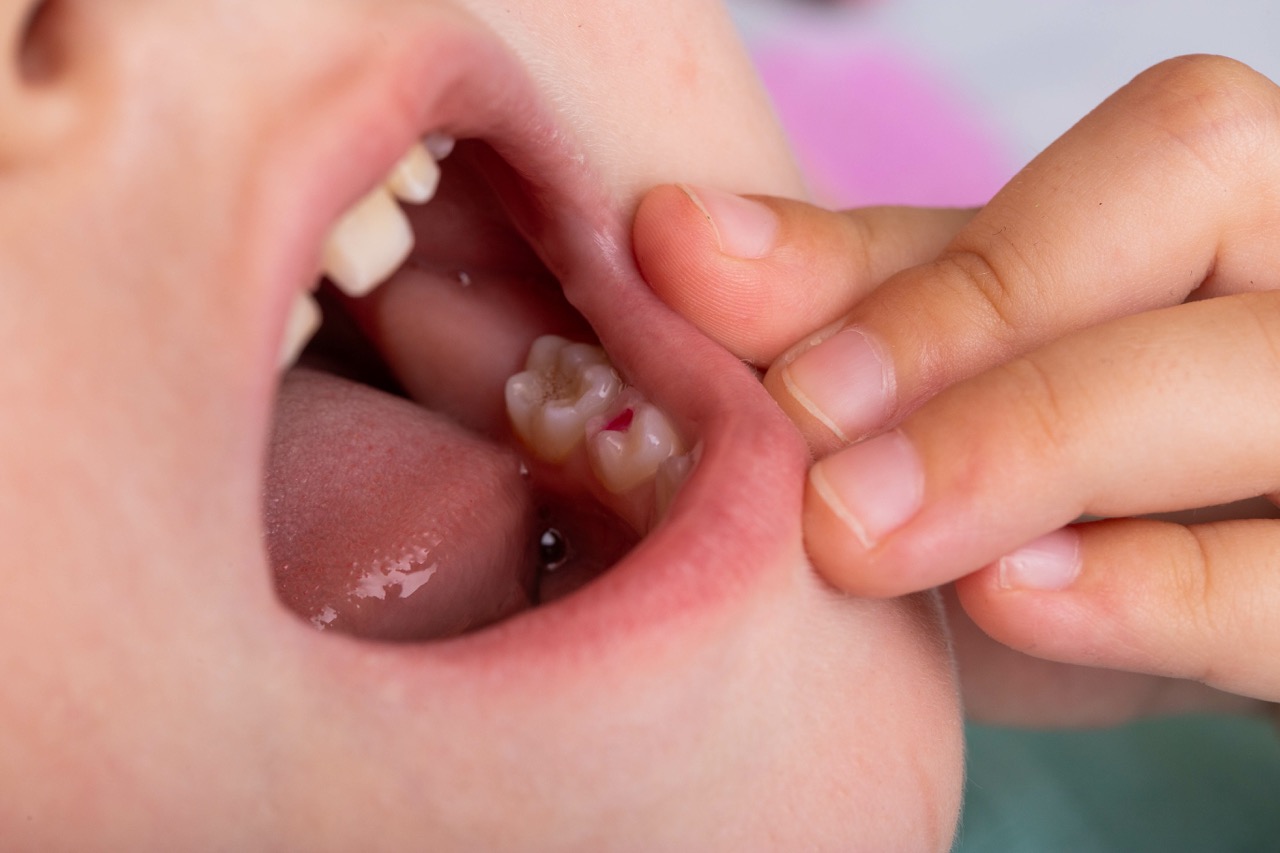
In most cases, yes. Once decay has broken through the enamel of a baby tooth, it will continue to progress — baby teeth don't have the ability to remineralize and reverse a cavity the way very early, surface-level decay sometimes can in adults with fluoride treatment. Left untreated, a cavity in a baby tooth can grow deeper, reach the nerve, and become painful or infected.
An untreated cavity can also affect a child's eating, sleeping, and even concentration at school if it becomes painful. In more serious cases, decay can lead to a dental abscess, a pocket of infection that requires urgent treatment and can be genuinely dangerous if it spreads. Filling a cavity early, while it's still small, is a far simpler and less invasive procedure than waiting until the tooth is causing pain or infection.
There are limited exceptions. If a baby tooth is very close to falling out naturally on its own within the next few months, a dentist may decide monitoring is more appropriate than filling it. This is a judgment call best made after an exam and, often, a set of dental x-rays that show how much of the tooth's root remains and how close the permanent tooth is to erupting.
Does Insurance Cover Baby Tooth Fillings?
Most dental insurance plans that include pediatric coverage treat baby tooth fillings the same way they treat fillings in permanent teeth — as a standard restorative procedure, typically covered at a partial or full percentage after any deductible. Coverage details vary by plan, so it's worth calling your insurance provider or asking our team to check your benefits before your child's appointment so there are no surprises.
If you're uninsured, many pediatric dental offices offer payment plans or financing options, and some community health programs specifically subsidize preventive and restorative pediatric dental care. Cost concerns are understandable, but they shouldn't be a reason to delay treatment a decayed tooth genuinely needs — the cost of treating an infected or abscessed tooth later is almost always higher than treating a simple cavity early.
It's also worth asking your dentist about the expected timeline for the affected tooth. A cavity in a molar that isn't due to fall out for another five or six years is a very different situation than one in a front tooth already loosening on its own, and that context can shape both the urgency of treatment and how it's billed.
Baby Tooth Cavity Treatment Options
The right treatment depends on how deep and extensive the decay is. For a cavity caught early, a standard tooth-colored filling is often all that's needed — the decayed portion is removed and the space filled with a composite material that blends with the surrounding tooth. This is quick, generally comfortable with local anesthesia, and preserves as much of the natural tooth structure as possible.
For more extensive decay, a dentist may recommend a stainless steel or tooth-colored crown, which covers and protects a tooth that doesn't have enough healthy structure left to support a filling alone. If decay has reached the nerve of the tooth, a pediatric root canal (sometimes called a pulpotomy) may be necessary to remove the infected tissue and save the tooth. In cases where a tooth can't be saved, extraction followed by a space maintainer helps preserve room for the permanent tooth to come in correctly.
Some very early, surface-level spots on baby teeth may be managed with fluoride varnish or silver diamine fluoride, which can slow or arrest decay without drilling — though this is typically only appropriate for the earliest stages of a cavity, not one that has already formed a visible hole.
How to Prevent Cavities in Baby Teeth
Prevention is always easier than treatment. Brushing a child's teeth twice daily with a fluoride toothpaste appropriate for their age, starting as soon as the first tooth appears, is the foundation of cavity prevention. Once two teeth touch, flossing between them helps remove food particles and plaque that a toothbrush can't reach.
Diet plays a bigger role than many parents expect. Frequent sipping on juice, milk, or other sweetened drinks throughout the day — including from a bottle or sippy cup at bedtime — keeps sugar in contact with teeth for extended periods and significantly raises the risk of decay. Sticking to water between meals gives saliva a chance to naturally rinse the mouth and neutralize acids. Reading labels helps too — some foods marketed as healthy for kids, like flavored yogurts, granola bars, and dried fruit, can carry as much sugar as candy and cling to teeth in ways that raise cavity risk.
Regular preventive visits also make a real difference. Dental sealants applied to the chewing surfaces of back teeth can block out the bacteria and food particles that commonly cause decay in those deep grooves, and routine cleanings let your dentist catch small areas of concern before they progress into a full cavity requiring a filling. Fluoride varnish, applied quickly during a regular visit, adds another layer of protection by strengthening enamel against the acids that cause decay.
Genetics and saliva composition also play a role that's easy to overlook — some children are simply more cavity-prone than others regardless of how carefully parents manage brushing and diet. If your child seems to develop cavities frequently despite good habits, it's worth discussing a more tailored preventative dentistry plan with your dentist, which might include more frequent fluoride treatments or closer monitoring between visits.
What Happens If a Cavity Is Left Untreated?
Ignoring a cavity in a baby tooth doesn't make it go away — it allows the decay to progress. As it deepens, a cavity typically becomes more painful, which can make a child reluctant to eat certain foods or brush the affected area, ironically making the problem worse. Eventually, untreated decay can reach the tooth's nerve, leading to infection.
An infected tooth can develop into an abscess, which may cause facial swelling, fever, and significant pain, and in rare but serious cases can spread to other parts of the body. At that point, treatment becomes more complex and costly than it would have been with an early filling, and the child experiences unnecessary pain and stress along the way that could have been avoided.
There's also a behavioral cost worth considering. A child whose first real dental memory involves pain, an emergency appointment, or an extraction is far more likely to develop dental anxiety that follows them into adulthood. By contrast, a child whose cavities are caught early and treated calmly tends to view the dentist as a routine, low-stress part of life — which pays off for every visit that follows.
Conclusion
Baby teeth cavities are not something to wait out. While it's true that the affected tooth will eventually fall out on its own, an untreated cavity can cause pain, infection, and complications for the permanent tooth waiting to take its place. Catching decay early with regular checkups and treating it promptly keeps the process simple and helps set your child up for a lifetime of healthy dental habits. For more information on cavities and prevention, the American Dental Association's MouthHealthy baby teeth resource is a helpful reference. If your child has a cavity that needs attention, contact our Sunrise office to schedule an exam.
Frequently Asked Questions
Do cavities in baby teeth really need to be filled?
In most cases, yes. Untreated decay in a baby tooth will continue to progress and can lead to pain, infection, and complications for the permanent tooth developing underneath it.
Does insurance cover baby tooth fillings?
Most dental plans with pediatric coverage treat baby tooth fillings similarly to fillings in permanent teeth. Coverage varies by plan, so it's worth confirming your specific benefits ahead of the appointment.
What are the treatment options for a baby tooth cavity?
Options range from a standard tooth-colored filling for smaller cavities to a crown for more extensive decay, a pediatric root canal if the nerve is affected, or extraction with a space maintainer if the tooth can't be saved.
What happens if a baby tooth cavity is left untreated?
The decay will typically continue to progress, potentially causing pain, infection, or an abscess, and can affect how the permanent tooth erupts.
How can I help prevent cavities in my child's baby teeth?
Brush twice daily with an age-appropriate amount of fluoride toothpaste, floss once teeth touch, limit sugary drinks and snacks, and keep up with regular dental checkups and cleanings.
About the Author
This article was reviewed by Dr. Diana Wohlstein, DMD, of Sawgrass Dental Center. Dr. Wohlstein earned her dental degree from the Universidad Central de Venezuela in 1987, completed a postgraduate degree in Prosthodontics in 1990, and later completed a Fellowship in Dental Implants and an additional dental degree at Tufts University School of Dental Medicine in Boston in 1996. Sawgrass Dental Center is located at 14201 W. Sunrise Blvd Suite 204, Sunrise, FL 33323, and provides general, pediatric, and restorative dental care to families throughout Sunrise, Florida.
Disclaimer
This article is intended for general informational purposes only and does not constitute dental or medical advice. It is not a substitute for professional evaluation, diagnosis, or treatment by a licensed dentist or physician. Always consult a qualified dental professional regarding your child's specific dental needs or before starting any treatment.
Blog Post Author

Contributed by DentalROI
DentalROI provides relevant dental content to help providers educate patients. The statements, services, and products referenced in this article have not been evaluated by the Food and Drug Administration, and they are not intended as a substitute for professional medical advice, diagnosis, or treatment. Always seek the advice of your dental provider with any questions or issues you may have. Specific recommendations may vary in different circumstances, so individual consultation is important.