How Thumb Sucking Affects Your Child's Teeth (And How to Stop It)

Many parents notice their little ones finding comfort in their thumbs, which is a completely natural way for babies to soothe themselves. It seems harmless, and in infancy it largely is. But persistent thumb sucking can gradually change how a child's teeth and jaw develop. Understanding that connection helps parents make informed decisions at the right time. At Sawgrass Dental Center in Sunrise, Florida, Dr. Diana Wohlstein helps families judge when a habit has moved from harmless to worth addressing.
Thumb Sucking and Open Bite: What's the Connection?
When a child presses their thumb against the roof of the mouth for hours at a time, it physically keeps the top and bottom front teeth from meeting. That persistent pressure creates a gap called an open bite, which may look minor at first but becomes more noticeable as permanent teeth erupt. The thumb essentially acts as a wedge during the years when alignment is being established. The table below shows how different patterns compare.
| Habit Factor | Typical Duration | Potential Impact |
|---|---|---|
| Passive sucking | Short intervals | Minimal shift |
| Vigorous sucking | Hours daily | Significant open bite |
| Tongue thrusting | While eating or resting | Cross-bite development |
Tracking these factors helps you gauge when the behavior is shifting from a harmless comfort reflex into something that deserves attention.
When Should a Child Stop Sucking Their Thumb?
Most experts suggest children transition away from thumb sucking by around age three or four. If the habit continues past the age when front baby teeth are lost, the risk of lasting structural change rises considerably. Consistent, patient support helps children move through this milestone without added stress or shame.
Long-Term Effects on Teeth If Thumb Sucking Continues
When the habit persists into later childhood, the effects extend beyond front-tooth alignment. Constant pressure against the palate can narrow the upper arch, which changes how the back teeth fit together. A few specific signs suggest it is time to intervene:
- Upper front teeth leaning outward.
- New difficulty with speech sounds like s or z.
- Noticeable change in how the palate arches.
- Frequent complaints about jaw discomfort.
Addressing these early gives your child the best foundation as their permanent smile takes shape.
How to Stop Thumb Sucking Gently and Effectively
Rather than jumping to strict measures, start by recognizing the emotional role the thumb plays in your child's day. Most kids suck their thumb to manage fatigue or stress, so replacing that comfort with positive reinforcement usually works better than restriction. Clear, achievable goals motivate children, especially when they feel included in the plan rather than corrected by it.
What to Do If Thumb Sucking Has Already Affected Their Bite
If you have noticed changes in tooth position, there is no need to panic. Many minor issues improve on their own once the habit stops, particularly if it ends before the permanent teeth are fully in. Keep the atmosphere light and encouraging, perhaps using a sticker chart to mark thumb-free days. If the bite shows deeper changes, your dentist can advise whether guidance or a referral is warranted. According to the American Dental Association, children who stop before permanent teeth come in often avoid lasting problems entirely.
When to Bring In Your Dentist for Support
Sometimes, despite every encouragement, the habit feels impossible to break. That is where your dentist becomes a genuine partner. Dental professionals are trained to recognize when a habit has crossed from normal development into something clinically significant, and they can offer objective observations about how your child's jaw growth is being influenced. Regular checkups and cleanings make it easy to monitor this over time.
Signs the Habit Is Starting to Impact Jaw Development
Your dentist looks for evidence that sucking intensity is straining the connective tissue and bone of the mouth. If the lower jaw appears positioned differently, or permanent teeth are struggling to surface in the right sequence, a visit is warranted. Depending on findings, your dentist may suggest specific strategies or refer you for an orthodontic evaluation to guide jaw growth toward better balance. You can reach our office to schedule an assessment.
Conclusion
Helping your child outgrow thumb sucking supports both their long-term oral health and their confidence. By watching for the signs, offering steady encouragement rather than pressure, and working with your dentist when concerns come up, you set their smile up to develop well through the school years. Our full dental services support families at every stage.
Frequently Asked Questions
Is it common for children to suck their thumbs?
Very. It is a natural self-soothing reflex in infants and toddlers that typically fades as they engage more with the world around them.
Can thumb sucking affect my child's speech development?
Yes. Persistent sucking can influence how the tongue rests and may affect certain consonant sounds if the habit continues.
Should I use force to take the thumb out of their mouth?
Avoid force or shaming. These approaches create anxiety and often make the habit harder to break.
Does the intensity of the sucking matter?
Yes. Intensity, duration, and frequency all determine how much pressure is applied to the developing palate.
Will my child grow out of it on their own?
Many children stop by age four on their own, though some need extra encouragement and support from parents.
What if my child sucks their thumb only at night?
Nighttime sucking can matter just as much, since eight to ten hours of consistent pressure adds up over time.
About the Author
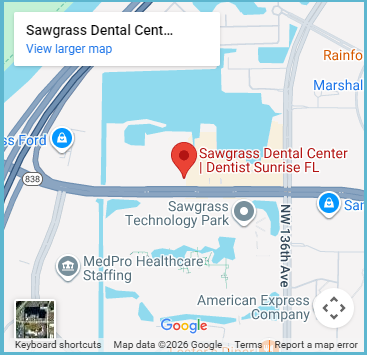
Sawgrass Dental Center is a general and cosmetic dental practice located at 14201 W. Sunrise Blvd, Suite 204, in Sunrise, Florida. The practice is led by Dr. Diana Wohlstein, DMD, who has over 30 years of dental experience and also practices at a second South Florida location in Aventura. Her team of hygienists and patient coordinators provides preventive, restorative, and cosmetic care for families throughout the Sunrise community.
Medical Disclaimer
The information provided in this article is for educational purposes only and does not constitute professional medical or dental advice, diagnosis, or treatment. Every child's development is different. Always seek the advice of your dentist, pediatric dentist, orthodontist, or other qualified health provider with any questions regarding your child's oral habits or dental development. Never disregard professional advice or delay in seeking it because of something you have read here.
Blog Post Author

Contributed by DentalROI
DentalROI provides relevant dental content to help providers educate patients. The statements, services, and products referenced in this article have not been evaluated by the Food and Drug Administration, and they are not intended as a substitute for professional medical advice, diagnosis, or treatment. Always seek the advice of your dental provider with any questions or issues you may have. Specific recommendations may vary in different circumstances, so individual consultation is important.