First Dental Visit: How to Prepare Your Toddler
Bringing your toddler in for their very first dental checkup is a milestone worth marking in the baby book. It's also, understandably, a source of a little parental anxiety — will they cry? Will they cooperate? Is it even necessary this early? The good news is that with a bit of preparation, a first dental visit can be calm, quick, and even fun for your little one.
What Age Should a Toddler First See a Dentist?
The American Academy of Pediatric Dentistry recommends scheduling your child's first dental visit as soon as their first tooth erupts, and no later than their first birthday. That timeline can surprise parents who assume dental care only matters once a full set of teeth has come in, but baby teeth can develop cavities as soon as they appear, and early decay can affect a child's speech development, eating habits, and the healthy eruption of permanent teeth later on.
Think of this first appointment less like a full dental procedure and more like a "well-baby checkup" for the mouth. The dentist will check how your toddler's teeth and jaw are developing, look for any early signs of decay or injury, and give you personalized guidance on brushing, teething, thumb-sucking, and diet. Getting ahead of small issues at this stage is far easier — and less stressful for everyone — than addressing them once they've grown.
How to Prepare a Toddler for the Dentist
A little groundwork before the appointment goes a long way toward making the visit smooth. Start talking about the visit a few days ahead of time, using simple, positive language. Avoid words like "hurt," "shot," or "pain" — even said reassuringly, they can plant worry where none existed. Instead, describe the visit as a chance for the dentist to "count teeth" and help keep your toddler's smile healthy.
Reading a children's book about visiting the dentist or watching a short, friendly video together can help demystify the experience. Practicing at home also helps: let your toddler practice opening their mouth wide while you gently count their teeth with a soft toothbrush, so the sensation of someone looking inside their mouth feels familiar rather than strange.
Logistics matter more than most parents expect. Avoid scheduling the appointment during your child's usual naptime, and aim for a time of day when they tend to be rested and cooperative — for many toddlers, that's mid-morning. Make sure they've had a light meal and brushed their teeth beforehand so they aren't hungry or uncomfortable during the exam, and save any treats or snacks for afterward as a reward rather than something eaten right before.
As a parent, you can prepare too. When you book the new patient exam, ask whether intake forms are available ahead of time so you're not filling them out while also managing a wiggly toddler in the waiting room. It's also worth jotting down any questions you have — about teething, thumb-sucking, pacifier use, or your child's brushing routine — so you don't forget them once you're in the chair.
What Happens During the First Visit
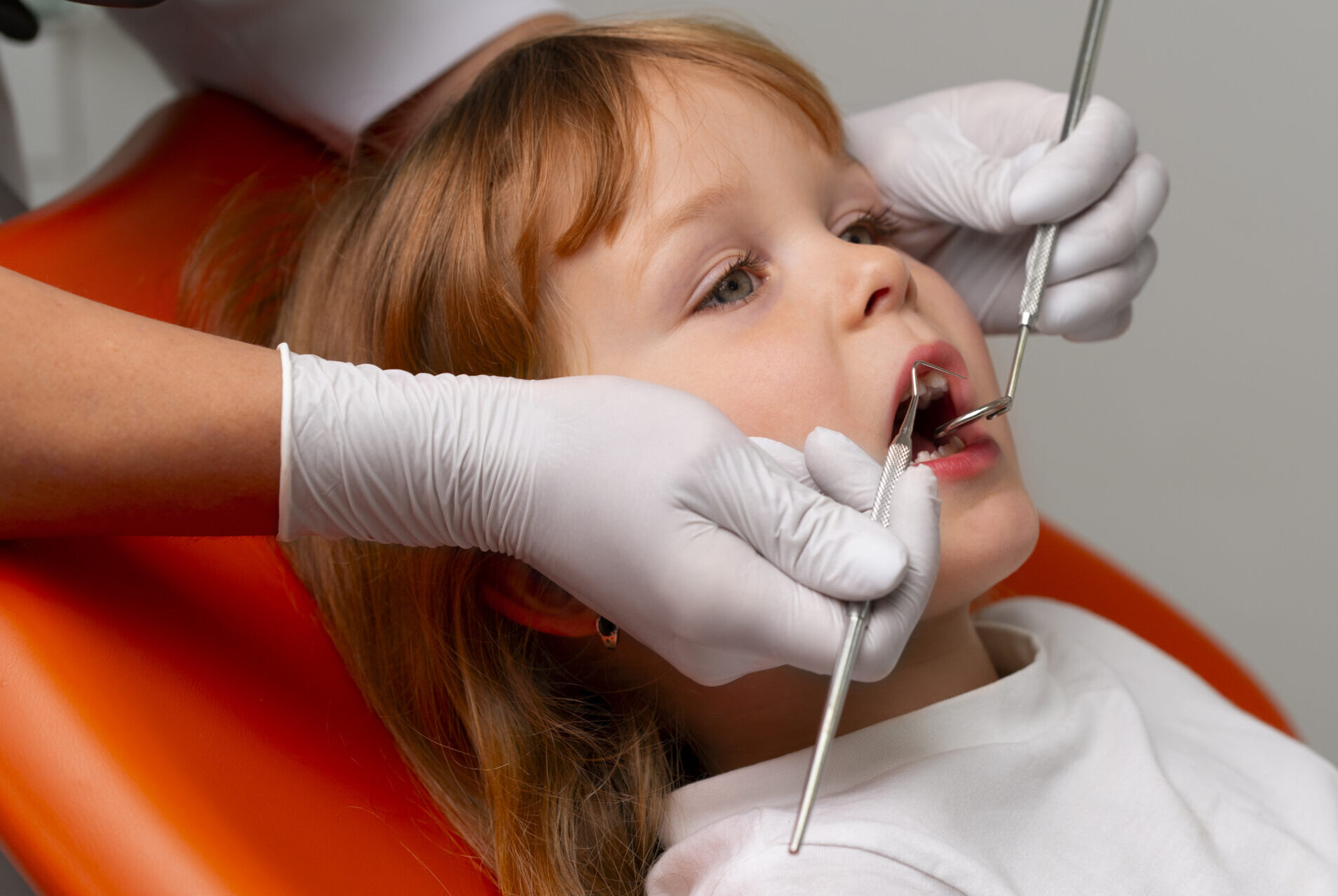
Most first dental visits are brief and gentle. If your toddler isn't ready to sit in the dental chair alone, you can hold them on your lap while the dentist examines their mouth. The dentist will check that teeth and jaw are developing normally, look for any injuries, decay, or bite issues, and then perform a light cleaning. Afterward, they'll walk you through daily care tips tailored to your child's age and needs, including how much toothpaste to use and how to handle brushing resistance.
It's completely normal for toddlers to cry, squirm, or need a minute to warm up — pediatric dental teams are used to it and know how to keep the mood light. A calm, reassuring tone from you as the parent makes a bigger difference than you might expect; toddlers often take their emotional cues from watching how the adults around them react.
Many practices also use this visit to introduce preventive measures early. Depending on your child's age and risk factors, the dentist may talk with you about dental sealants for the future, fluoride varnish, or a personalized preventative dentistry plan to keep cavities from taking hold as more teeth come in.
Why the First Visit Matters More Than It Seems
Baby teeth are sometimes dismissed as temporary and therefore unimportant, but they play a real role in your child's development. They help toddlers chew and get proper nutrition, support clear speech, and hold space for permanent teeth to come in correctly. Losing a baby tooth too early to decay can allow neighboring teeth to shift, crowding out the permanent tooth that was supposed to take its place.
There's also an emotional benefit to starting early. A child whose first dental experiences are calm and positive is far more likely to grow into a teenager and adult who keeps up with regular pediatric dental care without anxiety. Waiting until a problem develops — a toothache, a cracked tooth, visible decay — often means a child's first real memory of the dentist is tied to pain or urgency, which can make every future visit harder.
Common Concerns Parents Bring Up
Many parents worry their toddler will simply refuse to cooperate, especially if this is their first time in an unfamiliar chair with an unfamiliar person looking in their mouth. This is normal, and pediatric dental teams are trained to work with short attention spans and big feelings. A brief, positive first visit — even if your child doesn't sit perfectly still — still accomplishes the goal of establishing a dental home and catching any early concerns.
Other common questions include how to handle thumb-sucking or pacifier use, when to expect the next set of teeth to arrive, and how much fluoride toothpaste is appropriate at a young age. These are exactly the kinds of questions worth saving for your written list, since the dentist can give guidance specific to your child rather than generic advice found online.
Cost is another frequent concern, especially for families who assume a toddler's checkup requires extensive treatment. In most cases, a first visit is a straightforward exam and light cleaning rather than a procedure, and many dental insurance plans cover preventive pediatric visits at little or no out-of-pocket cost. If you're uninsured or unsure what your plan covers, it's worth calling ahead so cost doesn't become a reason to delay care your child's teeth genuinely need.
Parents of children who are teething at the time of their first visit sometimes wonder whether that changes anything. It usually doesn't — teething is a normal part of development, and the dentist can check that everything looks on track while also offering tips for soothing sore gums. If your toddler seems unusually fussy, feverish, or develops a rash during teething, that's worth mentioning to both your pediatrician and your dentist, since it helps rule out anything beyond ordinary tooth eruption.
Building a Routine After the First Visit
Once the first appointment is behind you, the goal is consistency. The American Dental Association recommends a dental checkup and cleaning every six months for most children, which helps your dentist track development, catch small issues early, and reinforce good habits before problems take hold. Pair these visits with twice-daily brushing using a soft-bristled brush and an age-appropriate amount of fluoride toothpaste, and start flossing as soon as two teeth touch each other.
Diet plays a bigger role in cavity prevention than many parents expect. Frequent sipping on juice, milk, or other sugary drinks throughout the day — including from a bottle or sippy cup at bedtime — bathes teeth in sugar for extended periods and raises the risk of early childhood decay. Sticking to water between meals, and saving juice or sweetened drinks for mealtimes, gives saliva a chance to naturally rinse the mouth in between.
If your toddler has a bit of dental anxiety after the first visit, keep talking about the dentist in a positive light between appointments, and consider a quick "practice" chat or video before the next one. Familiarity builds confidence, and each visit after the first tends to get easier. Many families also find it helpful to schedule siblings' appointments back-to-back, so a younger toddler can watch an older sibling go first and see that there's nothing to be nervous about.
Conclusion
A toddler's first dental visit is less about any single procedure and more about starting a relationship — between your child and their dental team, and between your family and a lifetime of healthy habits. With a little preparation, realistic expectations, and a positive attitude going in, most families find the experience is far less stressful than they anticipated. For more guidance on what to expect, the American Dental Association's MouthHealthy first dental visit resource is a helpful reference. If your toddler is due for their first checkup, reach out to our Sunrise office to get started.
Frequently Asked Questions
What age should a toddler first see a dentist?
The American Academy of Pediatric Dentistry recommends a first visit when the first tooth erupts, and no later than the child's first birthday.
How can I prepare my toddler for their first dental visit?
Talk about the visit positively in the days beforehand, read books or watch videos about going to the dentist, practice opening their mouth at home, and schedule the appointment for a time when your child is usually rested and cooperative.
What happens if my toddler cries or won't cooperate during the exam?
It's completely normal. Pediatric dental teams are experienced with young children and can usually still complete a helpful exam even if your toddler is fussy or needs to sit on your lap.
Do baby teeth really need dental care if they're going to fall out anyway?
Yes. Baby teeth support chewing, speech, and proper spacing for permanent teeth. Untreated decay in baby teeth can cause pain and affect how permanent teeth come in.
How often should my toddler see the dentist after their first visit?
The American Dental Association recommends a dental checkup and cleaning every six months for most children.
About the Author
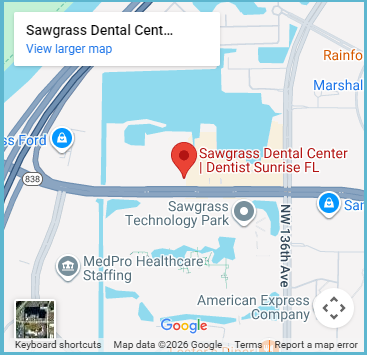
This article was reviewed by Dr. Diana Wohlstein, DMD, of Sawgrass Dental Center. Dr. Wohlstein earned her dental degree from the Universidad Central de Venezuela in 1987, completed a postgraduate degree in Prosthodontics in 1990, and later completed a Fellowship in Dental Implants and an additional dental degree at Tufts University School of Dental Medicine in Boston in 1996. Sawgrass Dental Center is located at 14201 W. Sunrise Blvd Suite 204, Sunrise, FL 33323, and provides general, pediatric, and restorative dental care to families throughout Sunrise, Florida.
Disclaimer
This article is intended for general informational purposes only and does not constitute dental or medical advice. It is not a substitute for professional evaluation, diagnosis, or treatment by a licensed dentist or physician. Always consult a qualified dental professional regarding your child's specific dental needs or before starting any treatment.
Blog Post Author

Contributed by DentalROI
DentalROI provides relevant dental content to help providers educate patients. The statements, services, and products referenced in this article have not been evaluated by the Food and Drug Administration, and they are not intended as a substitute for professional medical advice, diagnosis, or treatment. Always seek the advice of your dental provider with any questions or issues you may have. Specific recommendations may vary in different circumstances, so individual consultation is important.