When to Start Brushing Your Baby's Teeth
The right time to begin depends on whether your baby has a tooth yet. Before that first tooth appears, gently clean the gums; once it comes in, start brushing. A simple routine from the beginning can make mouth care feel familiar to both of you.
Clean Your Baby's Gums Before the First Tooth Appears
Before teeth arrive, wipe your baby's gums gently with a clean, damp cloth or gauze. You can do this once a day, such as after a feeding or as part of the bedtime routine. There is no need for toothpaste or a toothbrush on bare gums.
Begin Brushing as Soon as the First Tooth Comes In
As soon as you see the first tooth, use a small, soft-bristled toothbrush and fluoride toothpaste. Tooth decay can affect baby teeth, so start brushing from the first tooth rather than waiting for more to appear. Keep the touch gentle, especially where the tooth meets the gum.
What to Do if Your Baby Is Teething or Slow to Get Teeth
Teething can make gums tender, and babies do not all get their first tooth at the same age. Keep cleaning the gums before a tooth appears, then brush any erupted teeth gently, even if the area feels sensitive. If you are unsure whether a tooth is coming in or have concerns about your baby's mouth, ask your dentist or pediatrician.
Which Toothpaste to Use and How Much
For most babies, the key is choosing a toothpaste that contains fluoride and using only a tiny amount. The right quantity changes as your child grows, so it helps to keep the age-based guidance in mind. If your baby has a health condition or you are uncertain which product to choose, check with a dental professional.
Choose a Fluoride Toothpaste
Choose a fluoride toothpaste for brushing once the first tooth appears. Fluoride helps protect teeth from decay, but babies are not yet able to reliably spit toothpaste out, which is why the amount matters. Use a product intended for brushing teeth, and follow your dentist's advice if they have recommended something different.
Use a Rice-Grain-Sized Smear From the First Tooth to Age 3
From the first tooth until your child's third birthday, use only a thin smear about the size of a grain of rice. A small amount is enough to brush the teeth while limiting how much toothpaste your baby may swallow. This quick guide can help you remember how the amount changes with age:
| Child's stage | Toothpaste amount | Brushing approach |
|---|---|---|
| Before the first tooth | None | Wipe gums with a clean, damp cloth |
| First tooth to age 3 | Rice-grain-sized smear | Brush gently with a soft toothbrush |
| Age 3 and older | Pea-sized amount | Continue brushing with adult help |
Once your child turns 3, move to a pea-sized amount. If you are unsure how to measure a smear or your child has a particular dental concern, ask your dentist to demonstrate the amount at a visit.
Switch to a Pea-Sized Amount at Age 3
At age 3, increase the toothpaste amount to about the size of a pea. Keep brushing for your child, since young children may not yet have the coordination to clean every surface well. A modest amount on the brush also makes it easier to supervise how much toothpaste is used.
Check With Your Dentist Before Using Special or Prescription Toothpaste
Some children may need specific advice about toothpaste based on their oral health or risk of decay. Before using a prescription or other special toothpaste, ask your dentist whether it is appropriate and how much to use. Avoid making a change based only on a product label or a suggestion from someone who does not know your child's dental history.
How to Brush a Baby's Teeth
Brushing a baby's teeth does not need to take long, but it should reach each tooth and the gumline. A well-fitting brush and a comfortable position can make those small daily sessions easier. Stay gentle and keep a clear view of your baby's mouth as you brush.
Pick a Small, Soft-Bristled Toothbrush
Choose a toothbrush with a small head and soft bristles so it can fit comfortably in your baby's mouth. A brush made for infants is one practical option; the important thing is that you can reach the teeth without forcing the brush. Replace it when the bristles become worn or splayed.
Gently Brush Every Tooth and Along the Gumline
Use light pressure and small, gentle strokes to clean each tooth, including the sides and the area where the tooth meets the gum. As more teeth come in, move around the mouth so none are missed. If your baby pulls away, pause and try again gently rather than pressing hard against tender gums.
Make Brushing Easier With a Comfortable Position and a Calm Routine
A position that lets you see your baby's mouth can help you brush carefully. You might sit with your baby on your lap or lay them back in a secure, comfortable spot, depending on what works for you both. Keep one hand free to steady your baby's head, and use a calm voice while brushing.
Replace the Toothbrush When Its Bristles Look Worn
Check the bristles regularly. If they look frayed, bent, or flattened, the brush may be harder to guide gently around small teeth, so replace it. A quick look while setting up for brushing can help you notice when it is time for a new one.
How Often to Brush and How to Build a Routine
Brush your baby's teeth twice a day, including once before bed. Regular timing helps make brushing part of the day rather than a task that only happens when you remember. Even a brief session is useful practice for you and your baby.
Brush Twice a Day, Including Before Bed
Aim for a morning brush and another before bedtime. The evening session is especially easy to overlook when everyone is tired, so attach it to an established part of the routine, such as changing into pajamas. If the schedule slips now and then, simply return to the usual pattern at the next brushing.
Help Your Baby Get Used to Brushing With Short, Gentle Sessions
Early brushing can be brief while your baby gets used to the brush and the feeling of having their mouth cleaned. A predictable sequence may help the task feel less surprising:
- Get the toothbrush, toothpaste, and a clean cloth ready before you begin.
- Settle your baby in a position where you can see their mouth.
- Brush gently, pausing if your baby needs a moment.
- Wipe away extra toothpaste from around the mouth when you finish.
A calm, consistent approach is more useful than trying to make the first sessions perfect. As your baby grows more comfortable, keep brushing twice daily and continue to reach all the teeth.
Keep Brushing for Your Child as New Teeth Come In
Continue brushing as your baby's smile changes and more teeth appear. Young children need an adult's help to brush thoroughly, so do not hand over the task too soon. You can let your child hold the brush or practice alongside you, then finish brushing their teeth yourself. When baby teeth start to loosen years later, our guide on when kids lose their baby teeth explains what to expect.
How to Keep Brushing Safe and Effective
A few simple habits help keep brushing on track as your baby becomes more curious and mobile. Use a small amount of toothpaste, stay nearby, and put the tube away after each use. Your dentist can also help you adapt the routine as your child learns new skills.
Supervise Brushing and Keep Toothpaste Out of Reach
An adult should handle the toothpaste and supervise brushing. Store the tube where your baby cannot reach it, and dispense the amount yourself so your child does not squeeze out more than needed. Keep the toothbrush in a clean place between sessions.
Encourage Your Child to Spit When They Are Old Enough
As your child develops, encourage them to spit out toothpaste rather than swallow it. Little ones may need time and practice to understand what to do, so continue supervising and use the age-appropriate amount. Ask your dentist when your child seems ready to try spitting reliably.
Avoid Putting Your Baby to Bed With a Bottle of Milk or Juice
Do not put your baby to bed with a bottle of milk or juice. If your baby uses a bottle as part of settling down, talk with your pediatrician or dentist about a routine that works for your family. After the bedtime brush, offer only what your child's clinician recommends.
Ask Your Dentist About Fluoride Supplements or Other Concerns
Fluoride supplements are not something to start on your own. Ask your dentist whether your child needs them, and share any concerns about toothpaste, tooth development, or brushing discomfort. Advice can be tailored to your child's needs and circumstances. Families in Sunrise can learn more about our pediatric dentistry services and how dental sealants can help protect developing teeth.
When to Schedule Your Baby's First Dental Visit
A dental visit in the first year gives you a chance to ask questions while your baby's teeth are just beginning to come in. The appointment can also help establish a plan for routine care. If you have concerns before then, you do not need to wait for a scheduled milestone to contact a dentist.
Book an Appointment by the First Birthday
Plan for your baby's first dental visit by their first birthday. Even if only a few teeth have appeared, the visit is a chance to discuss how to care for them and what to expect as your child grows. If you have not yet arranged a visit, call a dental office to ask about scheduling.
Schedule a Visit Within Six Months of the First Tooth
Another useful timing guide is to schedule a visit within six months after the first tooth appears. Depending on when that tooth comes in, this may mean an appointment before the first birthday. Following either timeline helps ensure that a first visit is not put off until a problem arises.
Bring Up Brushing, Fluoride, and Teething Questions at the Appointment
Bring up any questions that have come up during your daily routine. You might ask how to brush a hard-to-reach tooth, whether your toothpaste amount is right, or what to do when teething makes brushing uncomfortable. A short list on your phone can help you remember what you wanted to discuss.
Conclusion
Begin with gentle gum cleaning, then start brushing as soon as the first tooth appears using fluoride toothpaste in an age-appropriate amount. Keep brushing twice a day, help your child with the task, and arrange a first dental visit by the first birthday or within six months of that first tooth. When something about the routine is unclear, your dentist can help you adjust it for your baby. The American Dental Association's MouthHealthy guide to baby teeth offers more on caring for your child's teeth from birth through preschool. To schedule a visit, contact Sawgrass Dental Center.
Frequently Asked Questions
When should I start brushing my baby's teeth?
Start brushing as soon as the first tooth appears. Before then, you can gently wipe your baby's gums with a clean, damp cloth.
Should I use toothpaste before my baby's first tooth comes in?
No toothpaste is needed before the first tooth appears. Clean the gums gently with a damp cloth instead.
How much toothpaste should I use for a baby?
From the first tooth until age 3, use a rice-grain-sized smear of fluoride toothpaste. At age 3, switch to a pea-sized amount.
How often should I brush my baby's teeth?
Brush twice each day, including before bedtime. Keep the sessions gentle and supervise your baby throughout.
What kind of toothbrush should I use for my baby?
Choose a toothbrush with a small head and soft bristles that fits comfortably in your baby's mouth. Replace it when its bristles look worn or splayed.
When should my baby have a first dental visit?
Schedule the first visit by your baby's first birthday or within six months of the first tooth appearing. Ask a dentist if you have concerns before then.
What should I do if my baby resists brushing?
Keep sessions short, use a calm voice, and try a comfortable position that lets you see your baby's mouth. If teething seems to make brushing painful or you are worried, ask your dentist for guidance.
About the Author
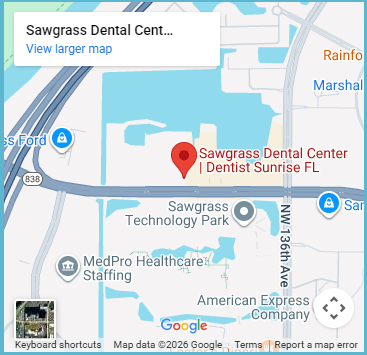
This article was reviewed by Dr. Diana Wohlstein, DMD, of Sawgrass Dental Center. Dr. Wohlstein earned her dental degree from Universidad Central de Venezuela in 1987, completed a postgraduate degree in Prosthodontics in 1990, and later completed a fellowship in dental implants and her U.S. dental degree at Tufts University School of Dental Medicine in 1996. She has practiced dentistry in South Florida for more than 26 years. Sawgrass Dental Center is located at 14201 W. Sunrise Blvd, Suite 204, Sunrise, FL 33323, and provides comprehensive family dental care to patients in Sunrise and Aventura.
Disclaimer
This article is intended for general informational purposes only and does not constitute dental or medical advice. It is not a substitute for professional evaluation, diagnosis, or treatment by a licensed dentist or pediatrician. Always consult a qualified professional about your child's specific needs.
Blog Post Author

Contributed by DentalROI
DentalROI provides relevant dental content to help providers educate patients. The statements, services, and products referenced in this article have not been evaluated by the Food and Drug Administration, and they are not intended as a substitute for professional medical advice, diagnosis, or treatment. Always seek the advice of your dental provider with any questions or issues you may have. Specific recommendations may vary in different circumstances, so individual consultation is important.